
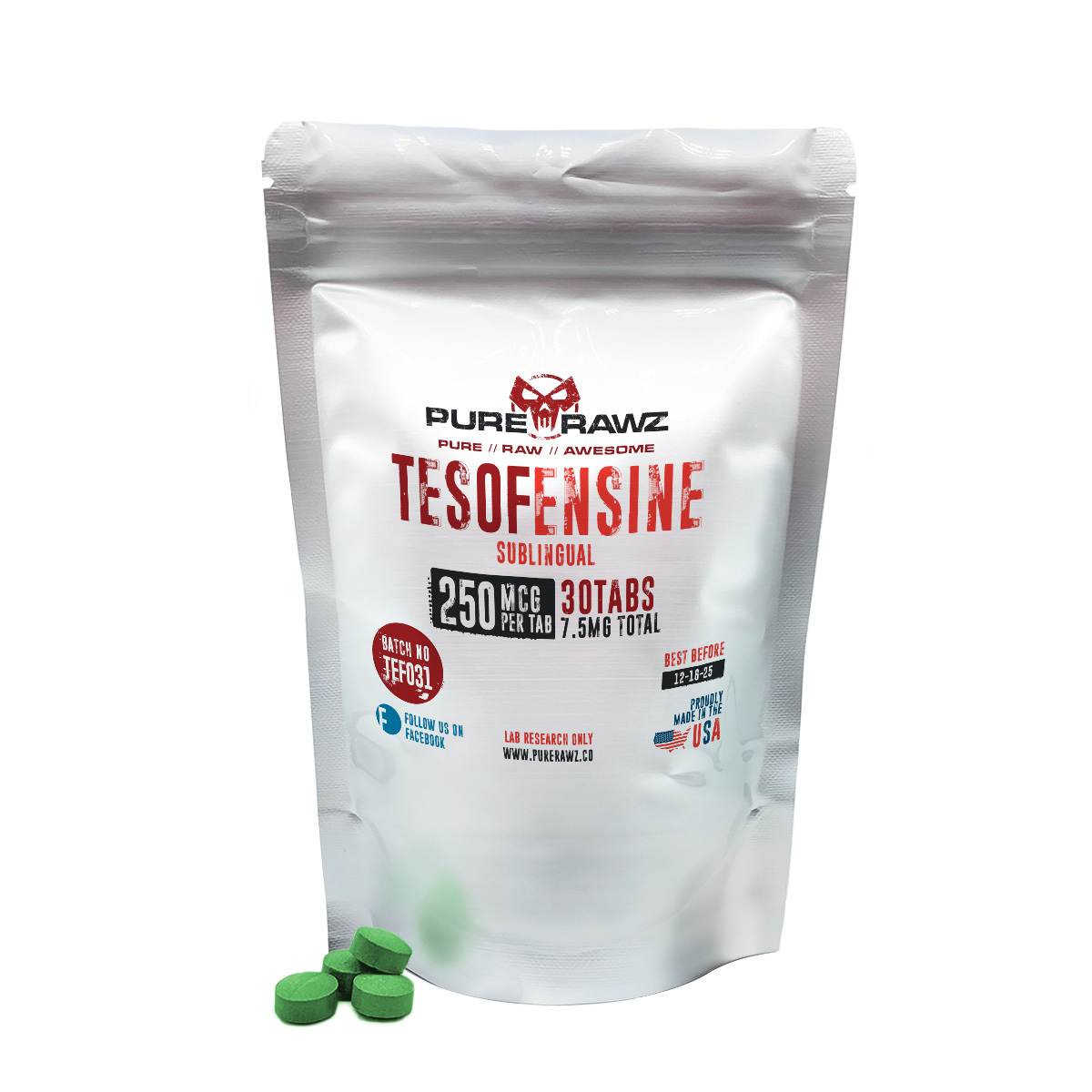
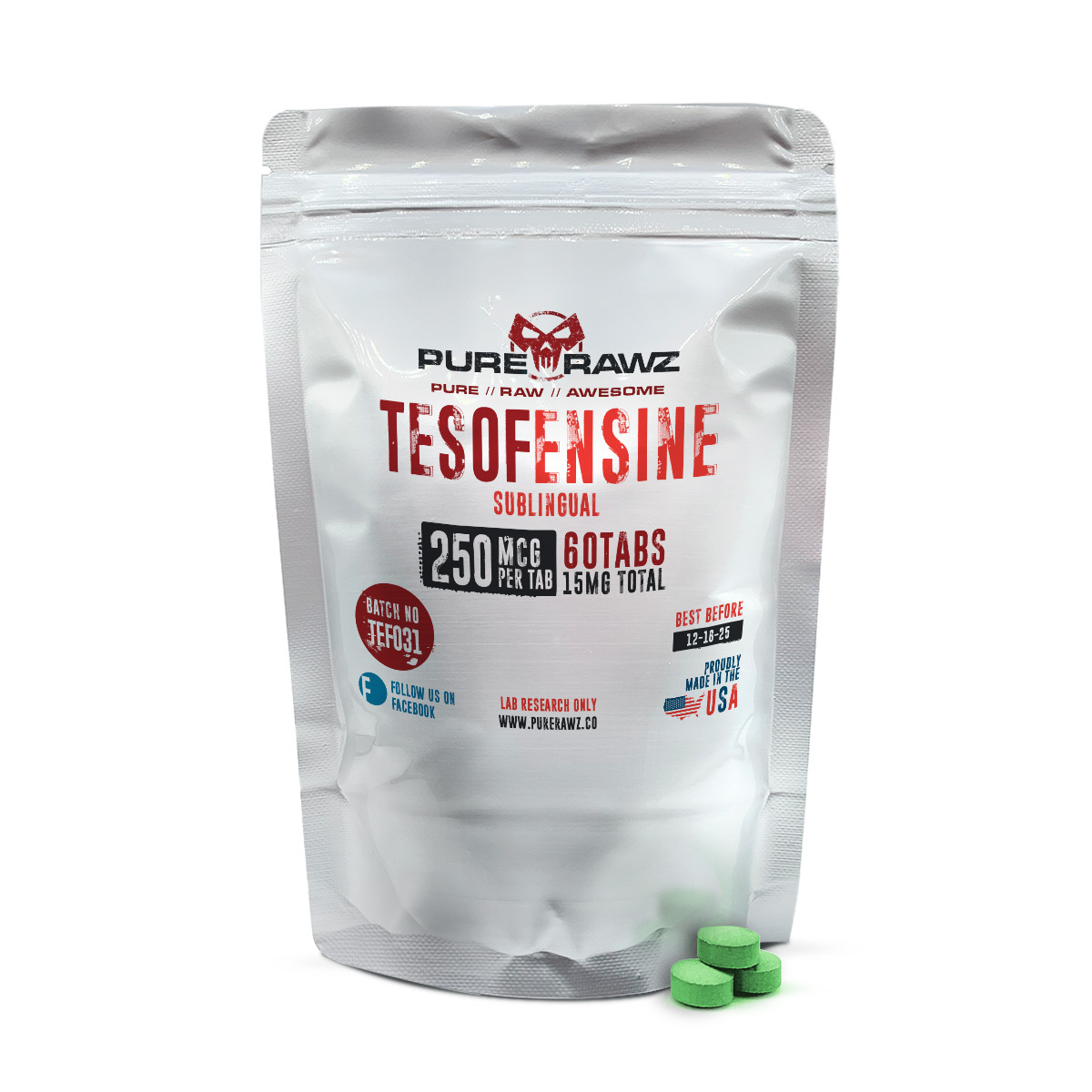
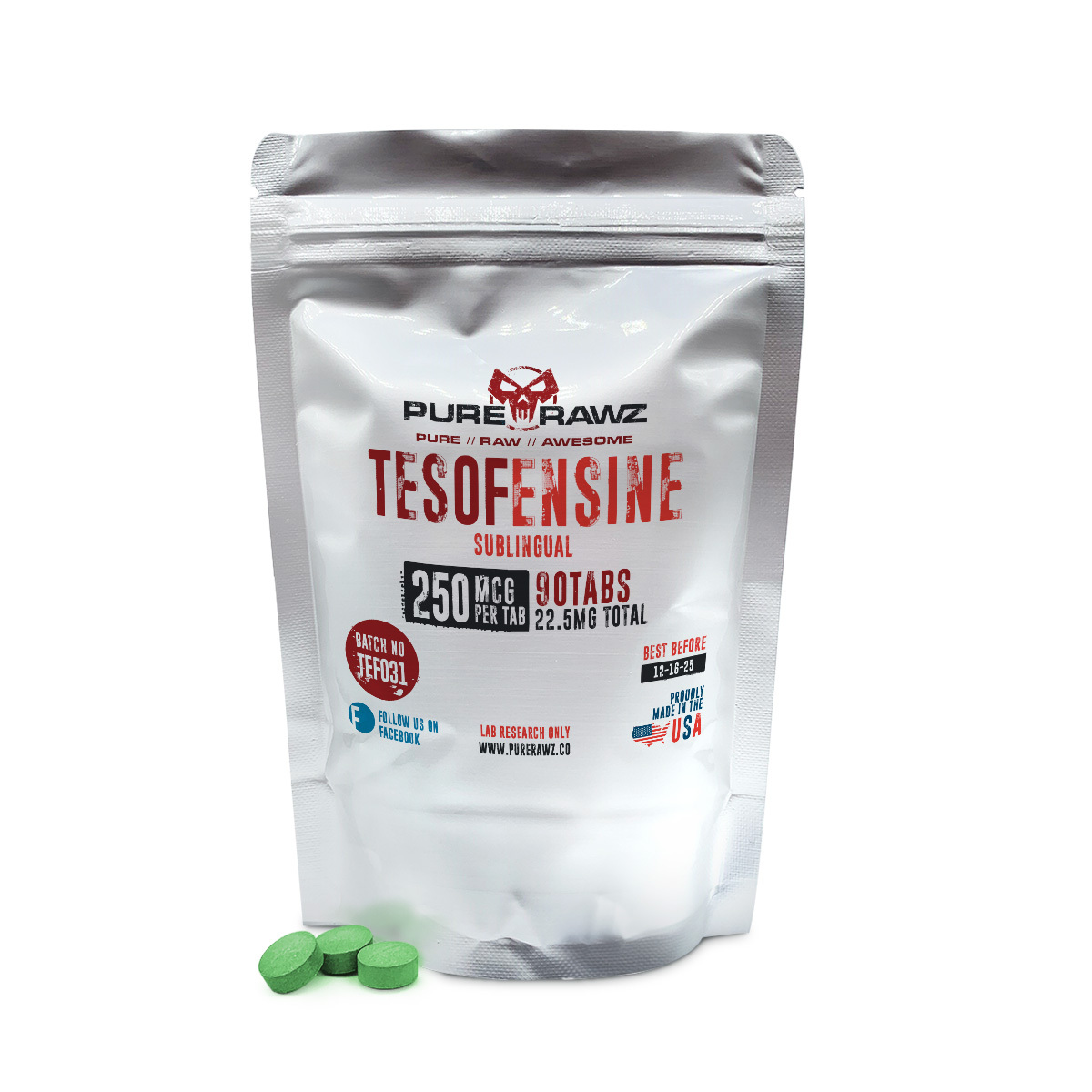
Tesofensine
Price range: $156.65 through $391.94
Earn 157 - 392 points upon purchasing this product.
✅ 99% Purity – Third-Party Tested
🚚 Free U.S. Shipping on Orders $100+
 Proudly Made in the USA
⚡ Fast & Reliable Shipping
🔒 Secure Checkout Guaranteed
Enjoy 24/7 customer support, 1st & 3rd party verified 99% purity, and free shipping on orders over $100!
Description
Tesofensine Overview
Tesofensine is a high-purity laboratory research chemical classified as a triple monoamine reuptake inhibitor. It affects norepinephrine, dopamine, and serotonin transporters in controlled experimental models. Researchers study Tesofensine to understand neurotransmitter regulation, neural signaling pathways, and enzyme-mediated responses in vitro.
This compound is supplied exclusively for laboratory and research purposes. It is not intended for human or veterinary consumption, therapeutic use, or diagnostic applications. Its research relevance lies in studying molecular signaling, synaptic regulation, and pharmacological interactions in neuronal systems.
Chemical and Molecular Properties
| Property | Description |
| Compound Name | Tesofensine |
| Key Component | Triple monoamine reuptake inhibitor |
| Chemical Type | Small organic molecule research chemical |
| Molecular Formula | C25H26F3NOS |
| Chemical Class | Monoamine transporter inhibitor, neurochemical research reagent |
| Lab Safety Required | Handle as a laboratory chemical reagent and follow standard laboratory safety protocols |
| Storage Conditions | Store in a cool, dry environment away from direct light |
| Status | Not for human or animal consumption |
| Regulatory Status | Not FDA- Approved |
Working Mechanism of Tesofensine
Neurotransmitter Transport Research
Tesofensine inhibits presynaptic reuptake of norepinephrine, dopamine, and serotonin. In laboratory experiments, this increases extracellular levels of these neurotransmitters. Researchers investigate its effects on molecular signaling and neuronal regulation.
Studies may include:
- transporter inhibition and synaptic signaling analysis
- intracellular responses to altered neurotransmitter concentrations
- enzymatic and receptor-mediated pathway evaluation
Neural and Cellular Response Studies
Laboratory research evaluates how Tesofensine modulates neuronal activity. Researchers study electrophysiological responses, signal transduction, and intracellular protein interactions. This helps in understanding monoaminergic system regulation in controlled experimental models.
Analytical and Pharmacological Applications
Tesofensine is also used as a reference compound in laboratory pharmacology. It supports:
- structure - activity relationship studies
- pharmacodynamic investigations in vitro
- experimental modeling of neural regulatory pathways
These applications aid reproducibility and method validation in experimental research.
Tesofensine Research Applications
In controlled laboratory settings, Tesofensine may be utilized for:
- monoamine transporter and signaling pathway studies
- neural regulatory mechanism research
- electrophysiology and intracellular signaling experiments
- comparative pharmacological modeling in vitro
All applications are strictly limited to laboratory and experimental research environments.
Buy Tesofensine from Purerawz
Research professionals and scientific organizations can obtain Tesofensine through our online platform for laboratory research purposes.
At Purerawz, this compound is supplied as a high-purity laboratory research chemical, with independent Certificates of Analysis (COA) to ensure transparency, quality assurance, and reliability in experimental studies.
By placing an order through our website, you agree to Purerawz Terms and Conditions. If there is any issue with the product received, please contact support@staging.purerawz.co
Regulatory Status and Disclaimer
Tesofensine is supplied exclusively as a laboratory research chemical.
This product:
- is not FDA-approved for therapeutic use
- is not intended for human or veterinary consumption
- should only be handled by trained research professionals
- must be used solely in controlled laboratory environments
Note: Any use outside legitimate research settings is not recommended.
References
https://pubmed.ncbi.nlm.nih.gov/38656972
https://en.wikipedia.org/wiki/Tesofensine

Dr. Helma Wennemers
Dr. Helma Wennemers is a globally recognized chemist shaping modern peptide science and molecular design through highly original research in applied biosciences.
Her work explores how precise molecular architecture can be engineered to create new functional systems in chemistry and life sciences. Her contributions continue to redefine contemporary chemical research through creativity, depth, and structural innovation.
Please click here to access instructions on how to make a payment.
How to PayRelated products
-

Compound 7P
$62.85 Select options This product has multiple variants. The options may be chosen on the product page -
Picamilon Sodium (Nicotinoyl-GABA)
$24.57 Select options This product has multiple variants. The options may be chosen on the product page -
Sulbutiamine
Price range: $17.47 through $61.76 Select options This product has multiple variants. The options may be chosen on the product page -
Aniracetam
Price range: $60.24 through $130.25 Select options This product has multiple variants. The options may be chosen on the product page


