
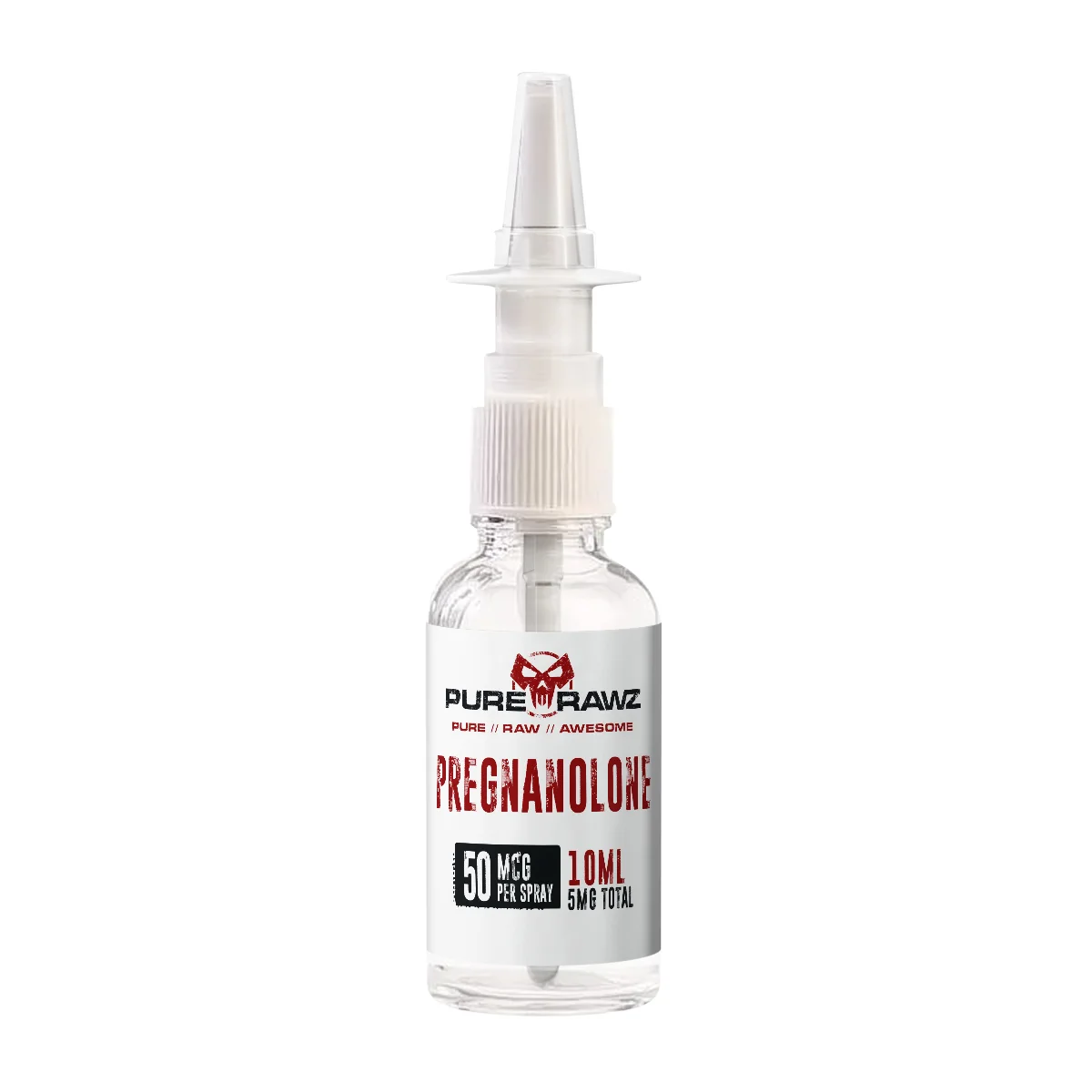
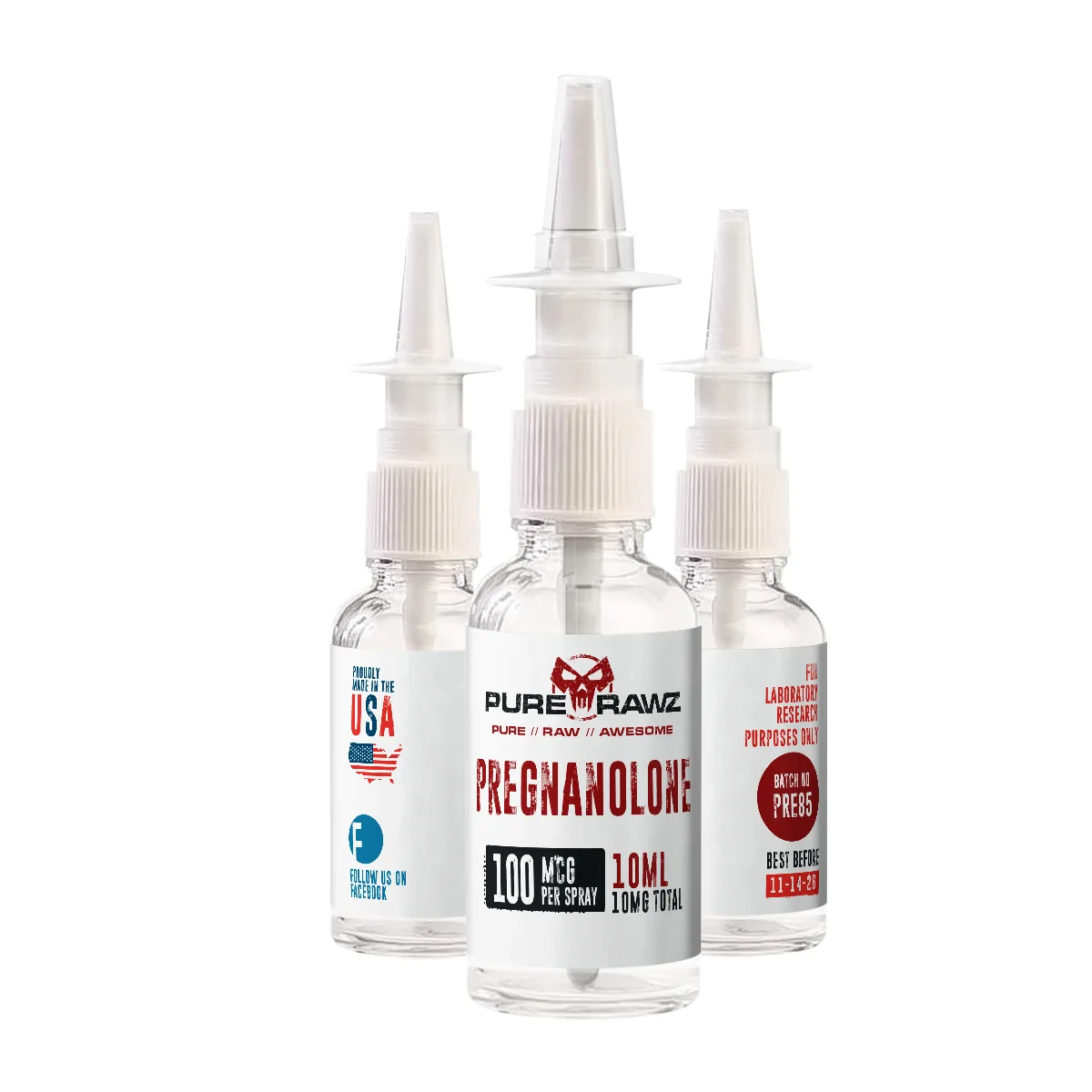
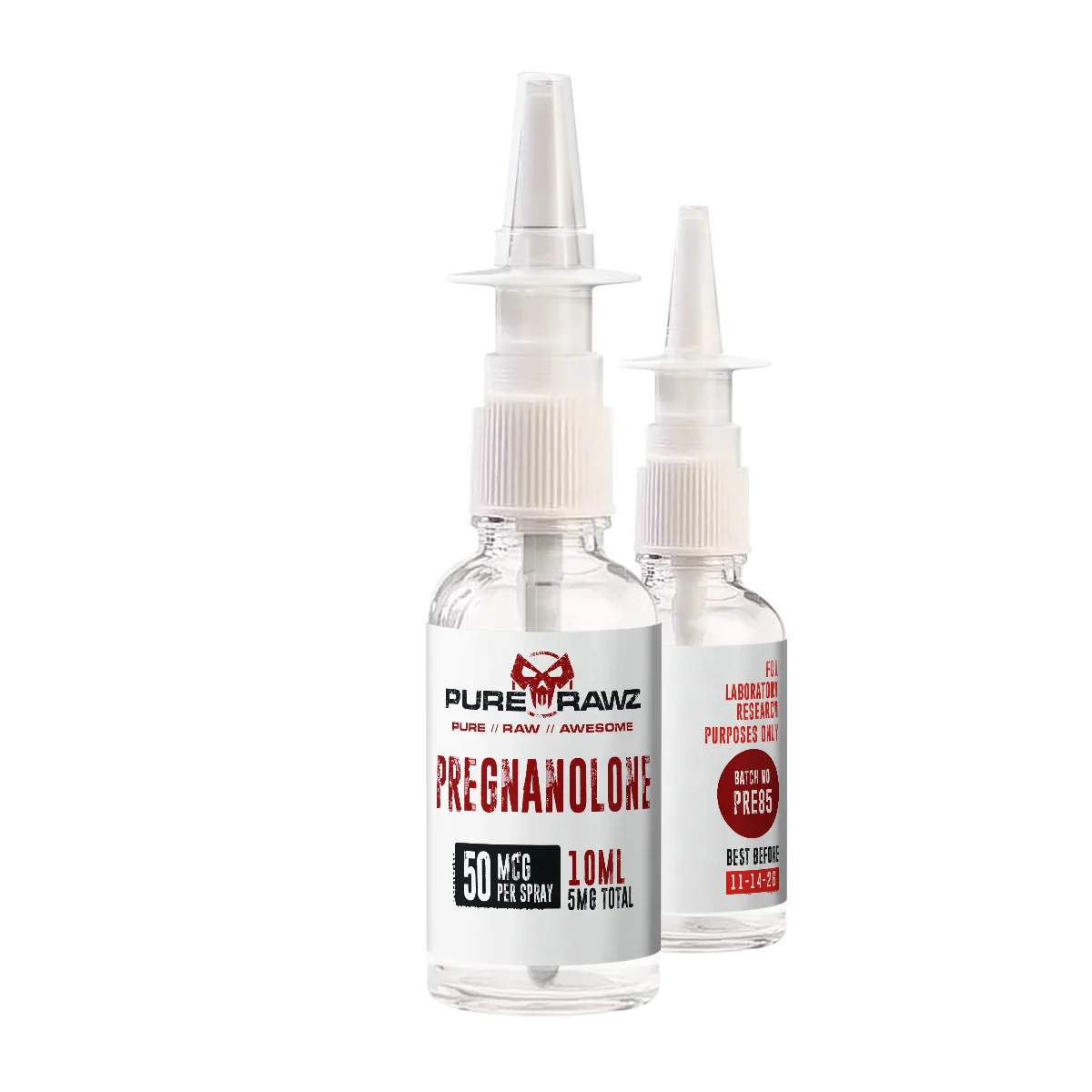
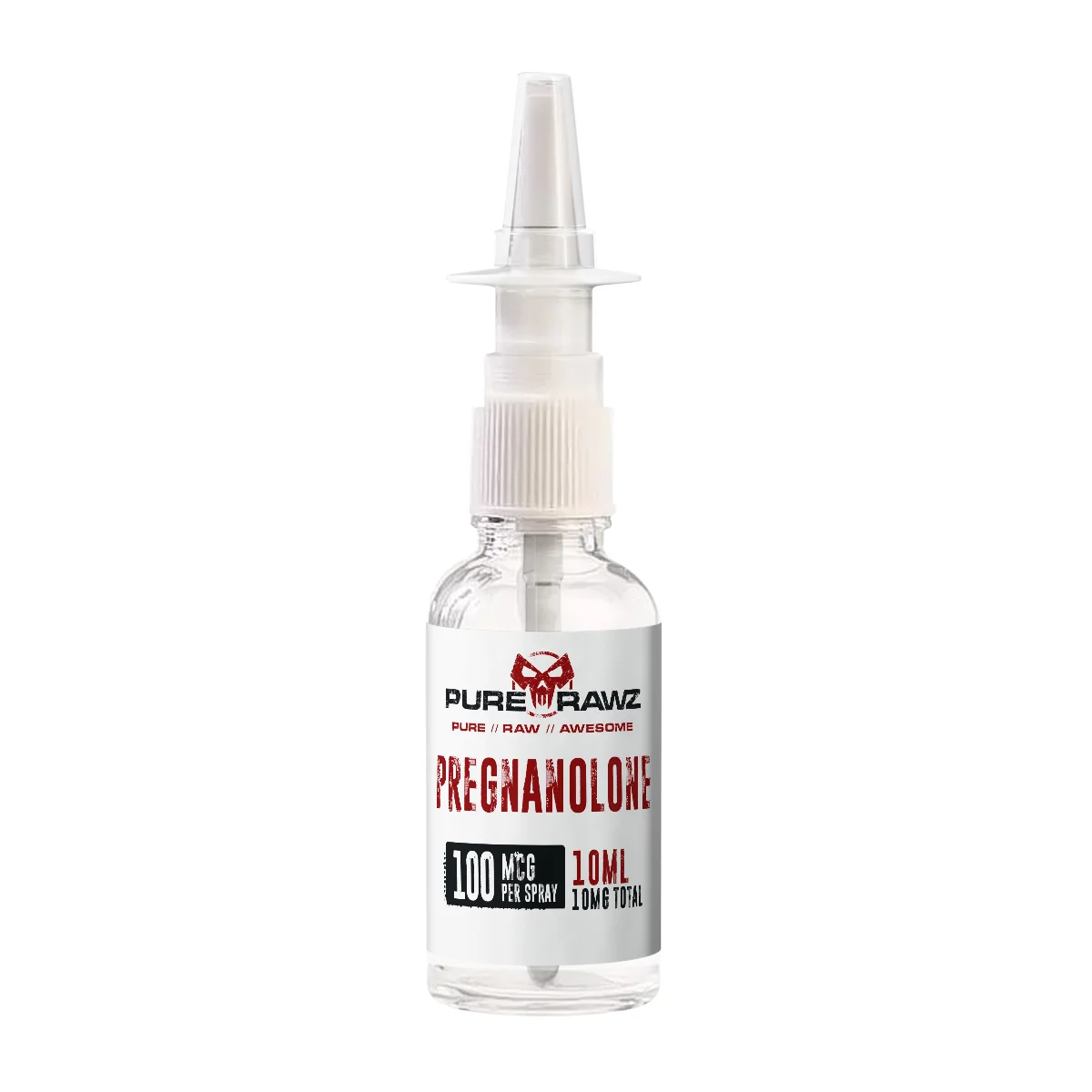
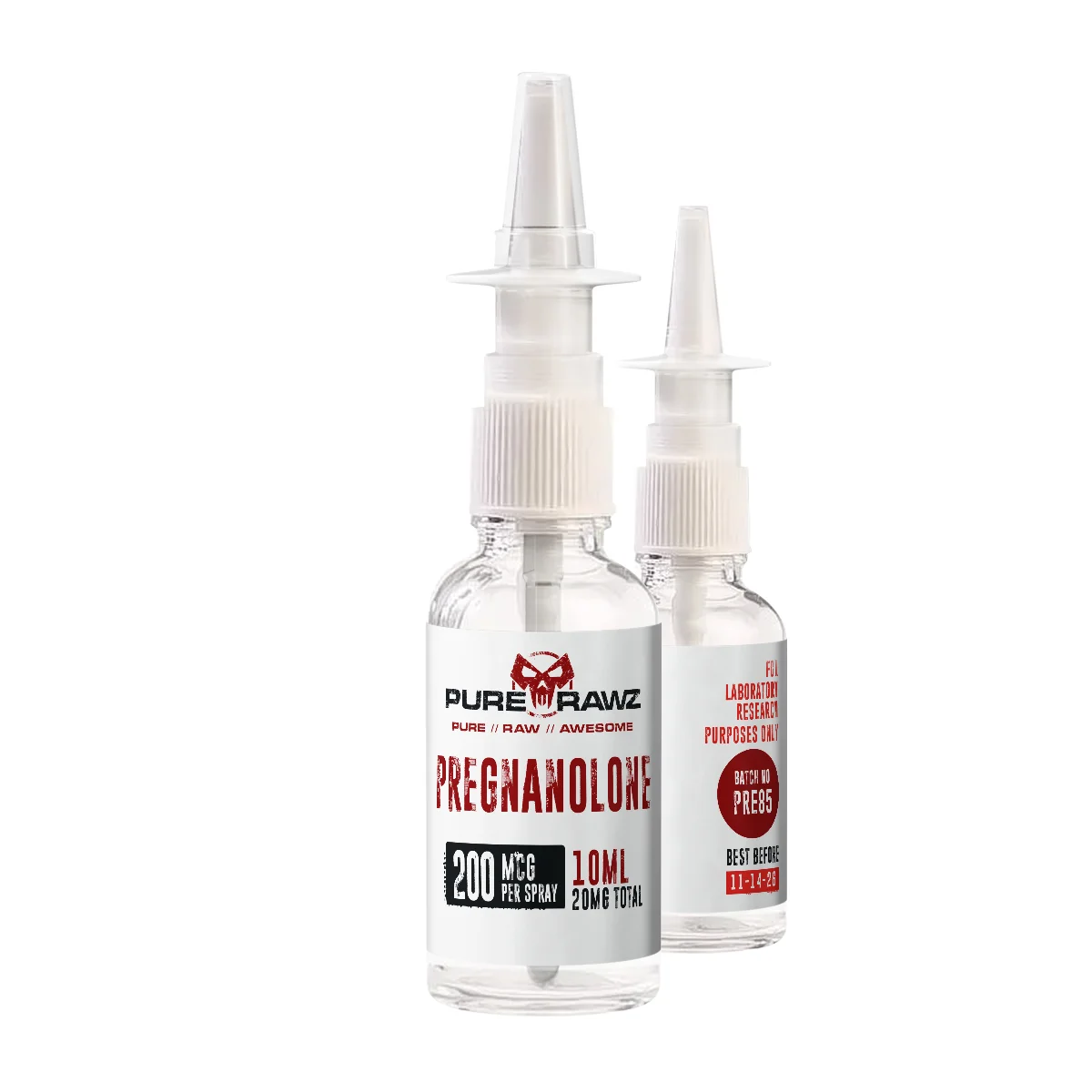
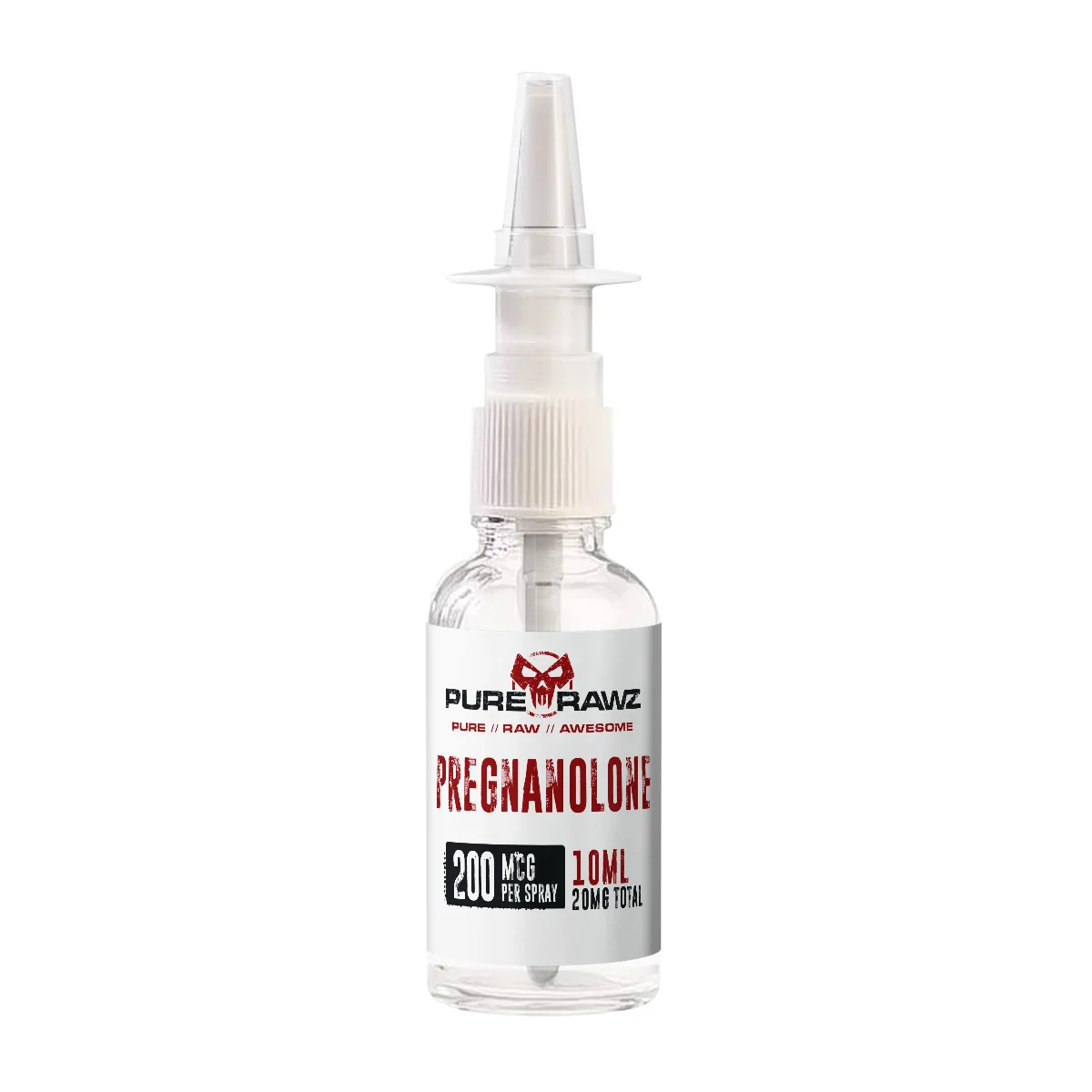
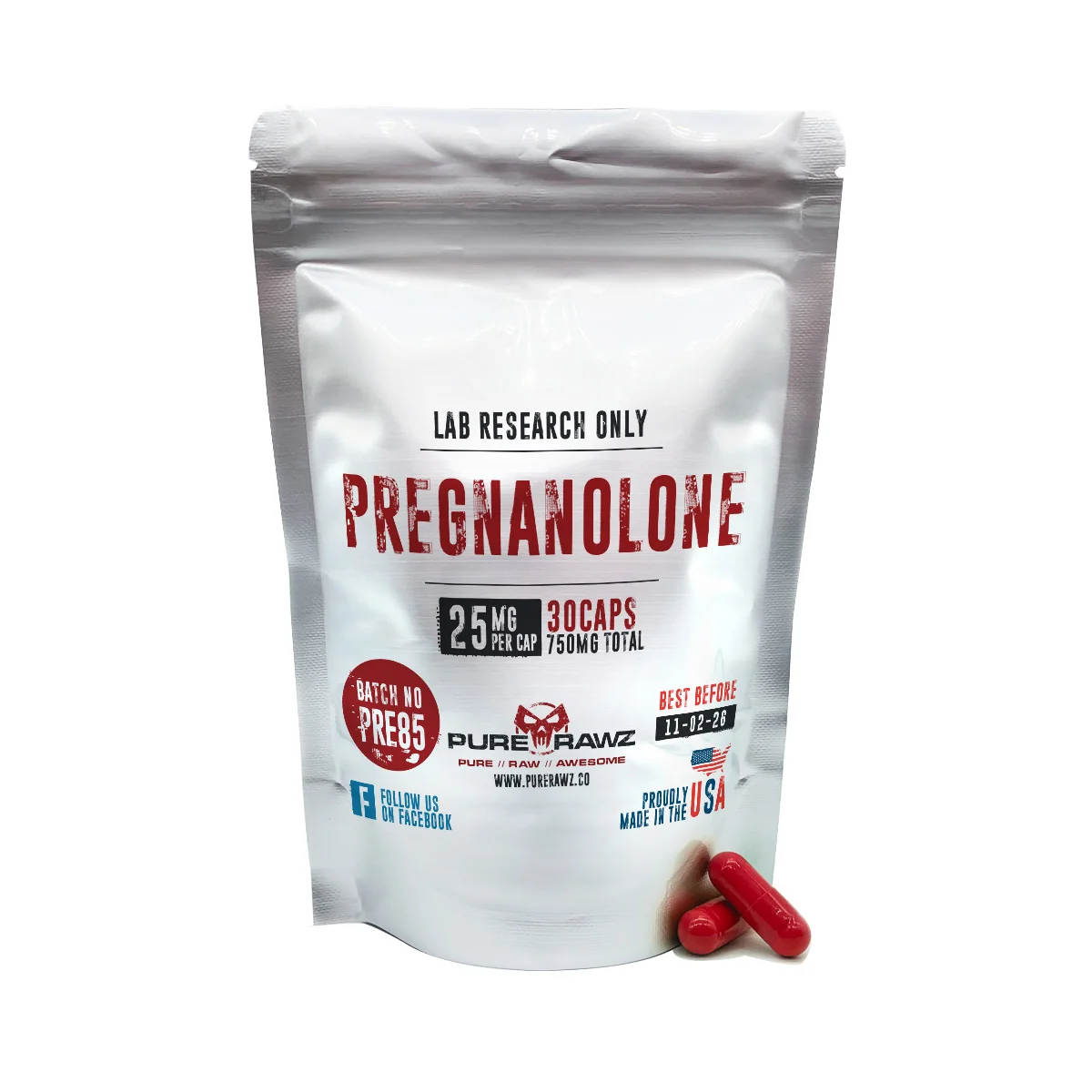
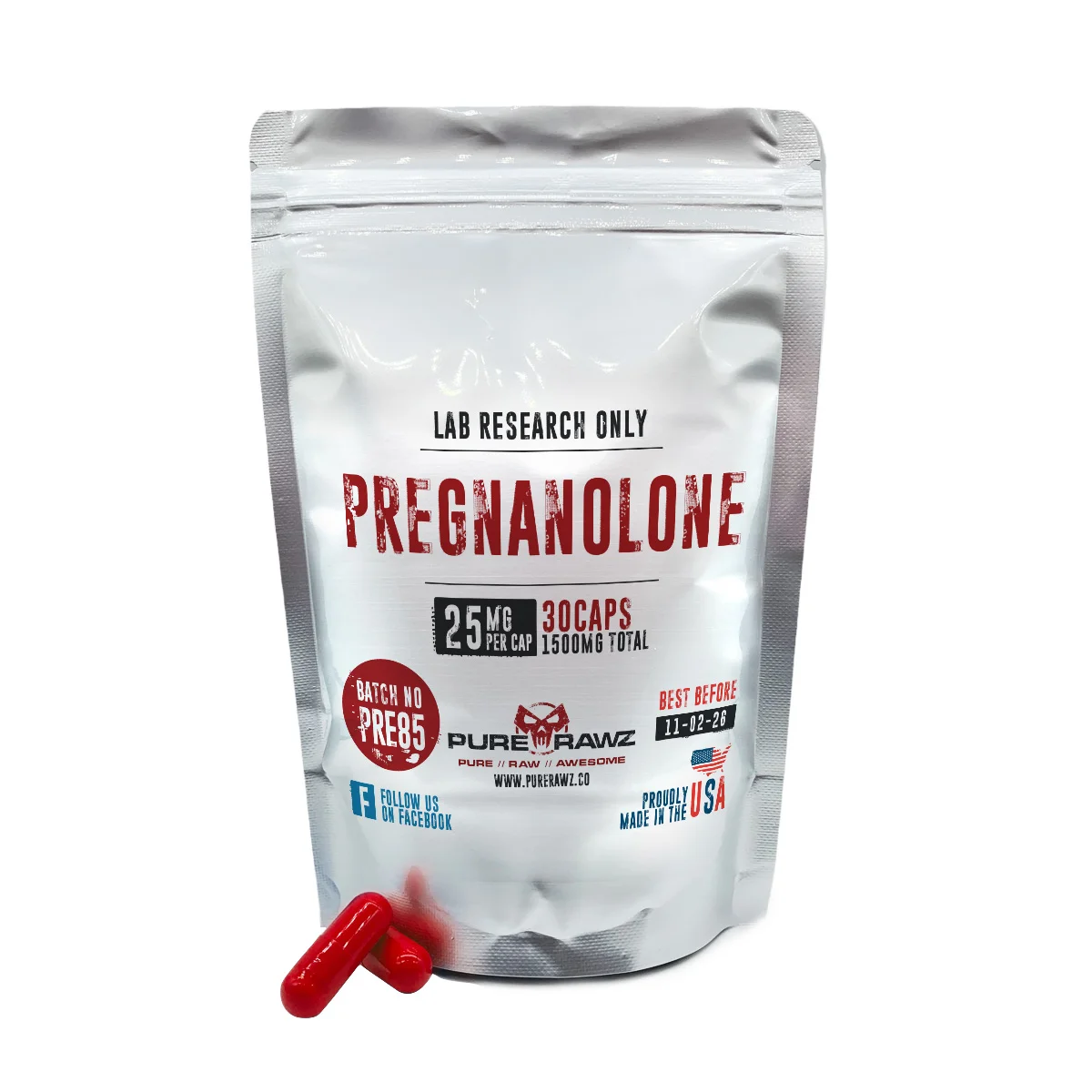
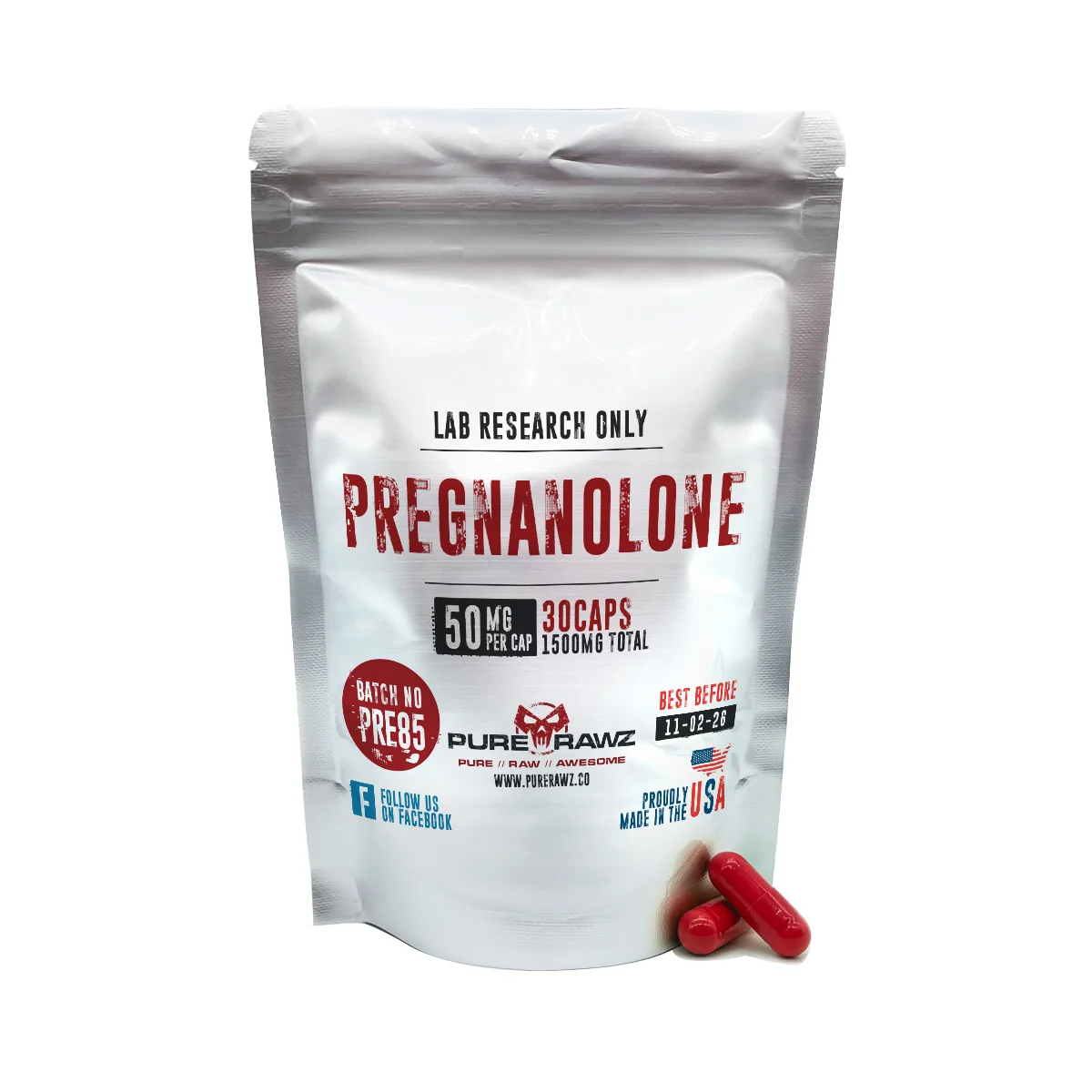
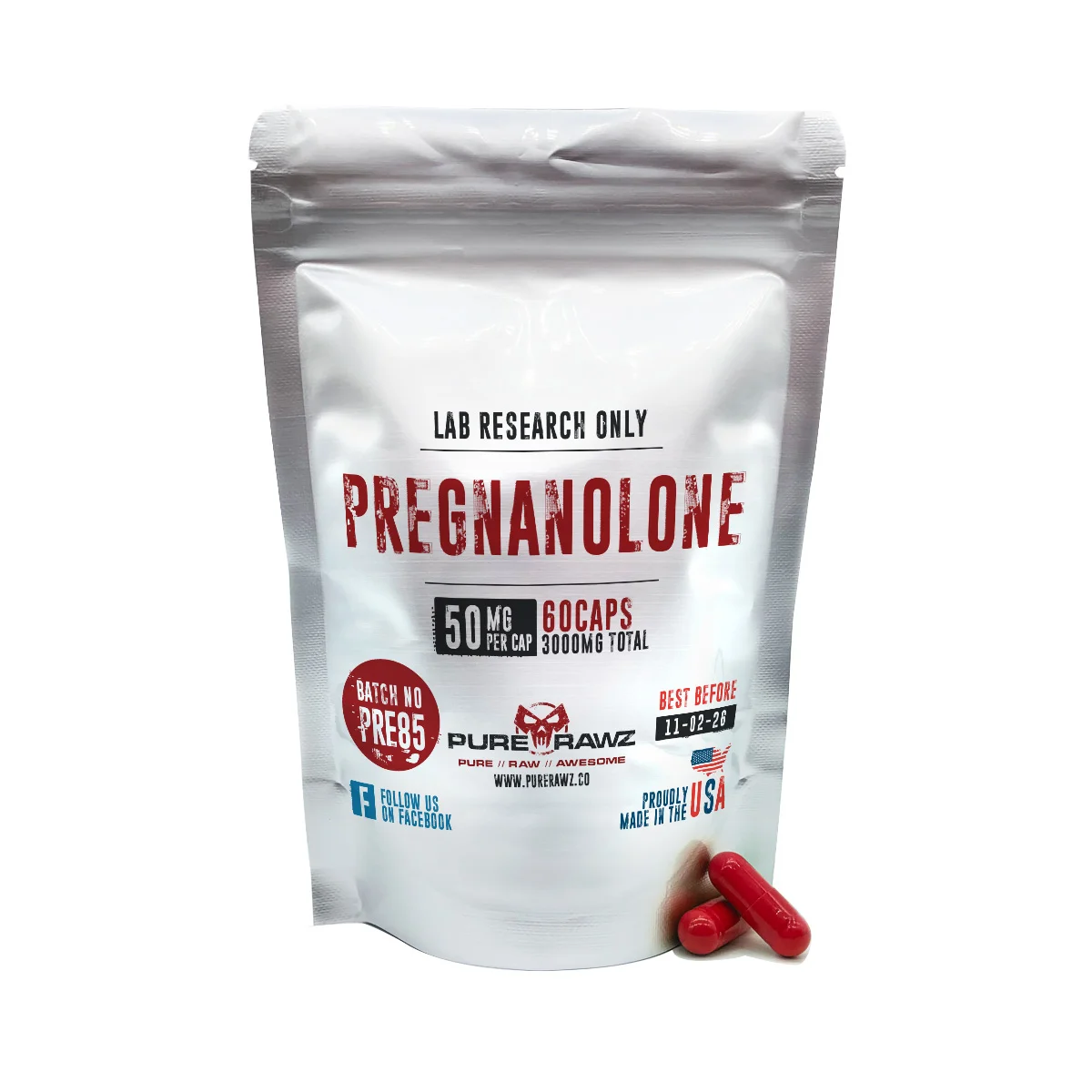
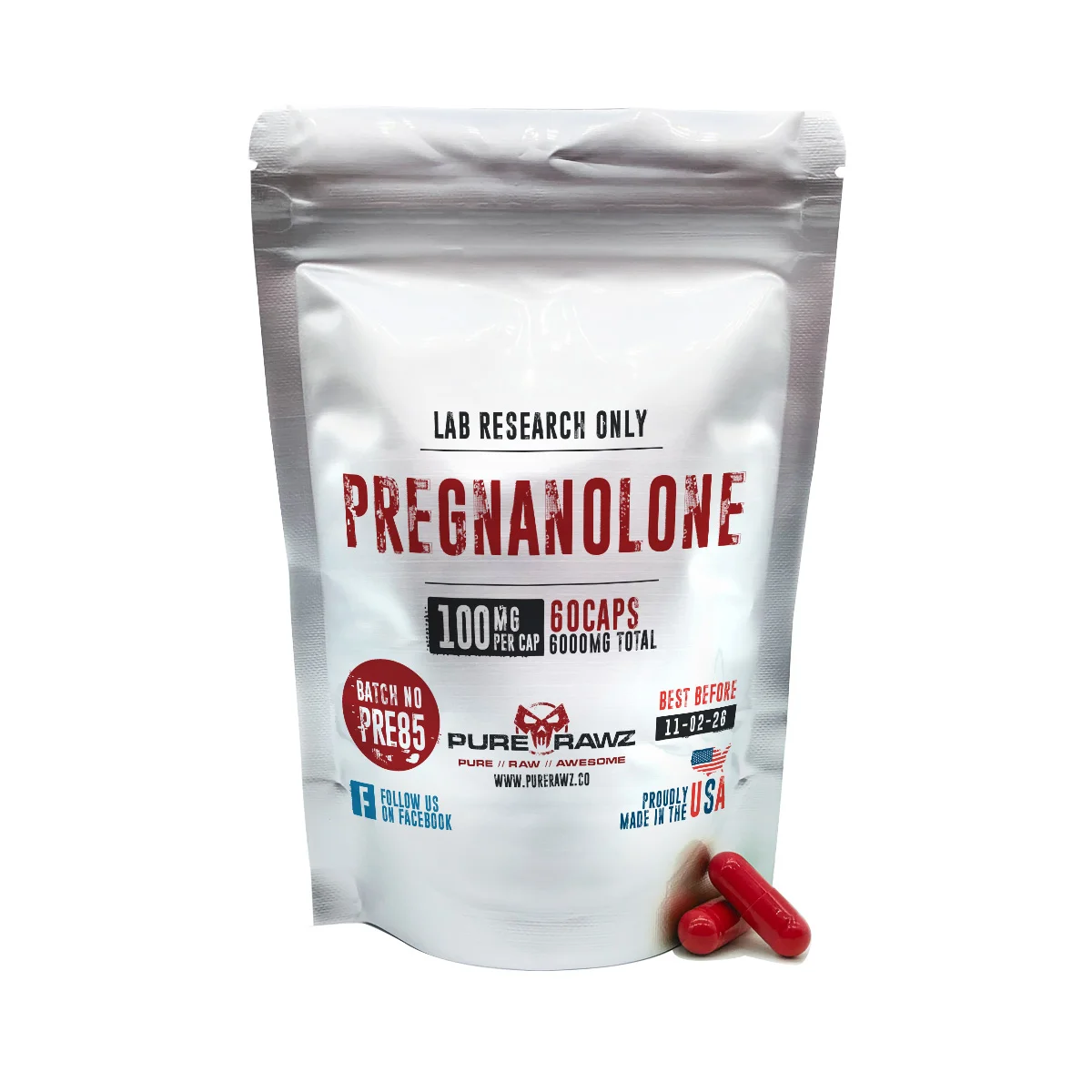
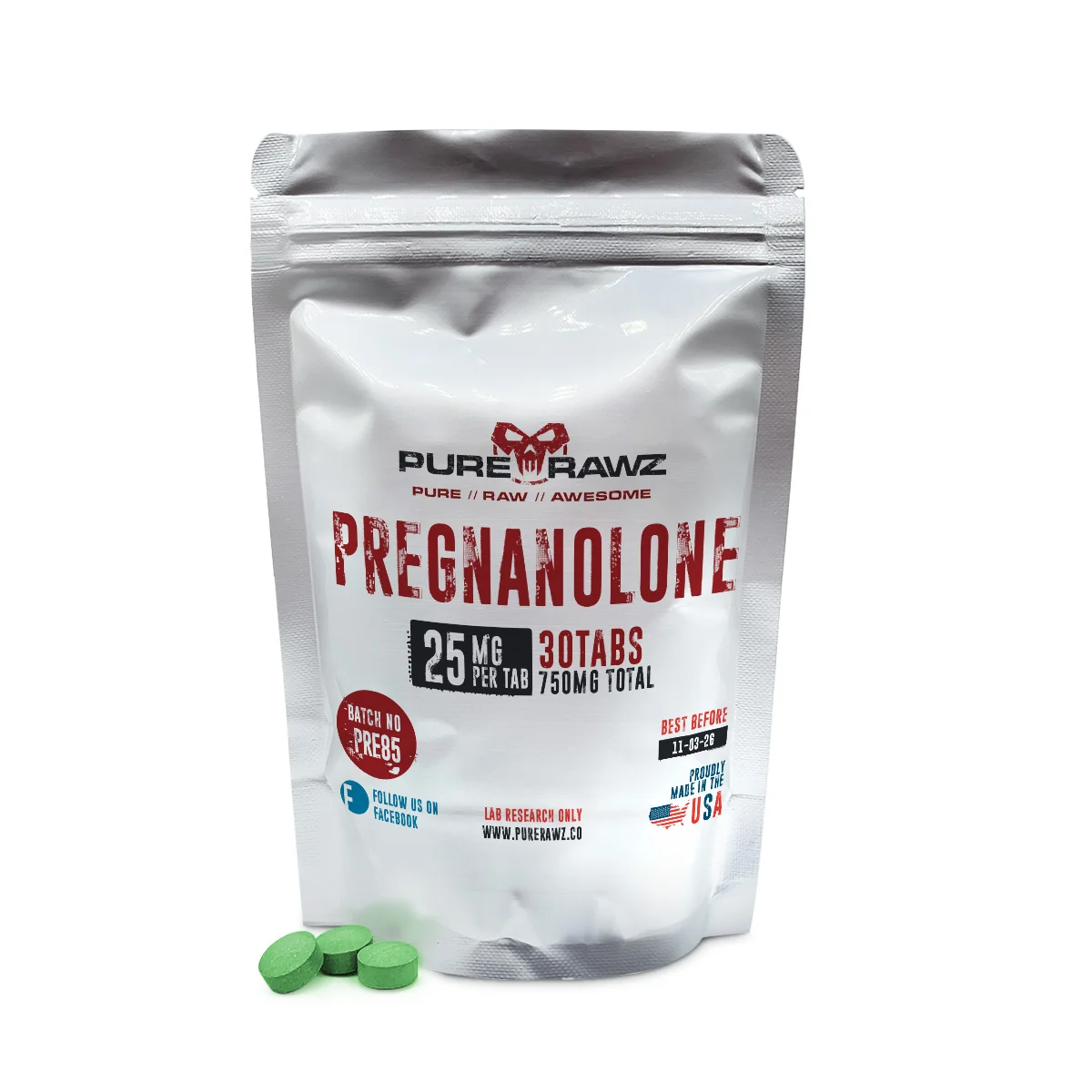
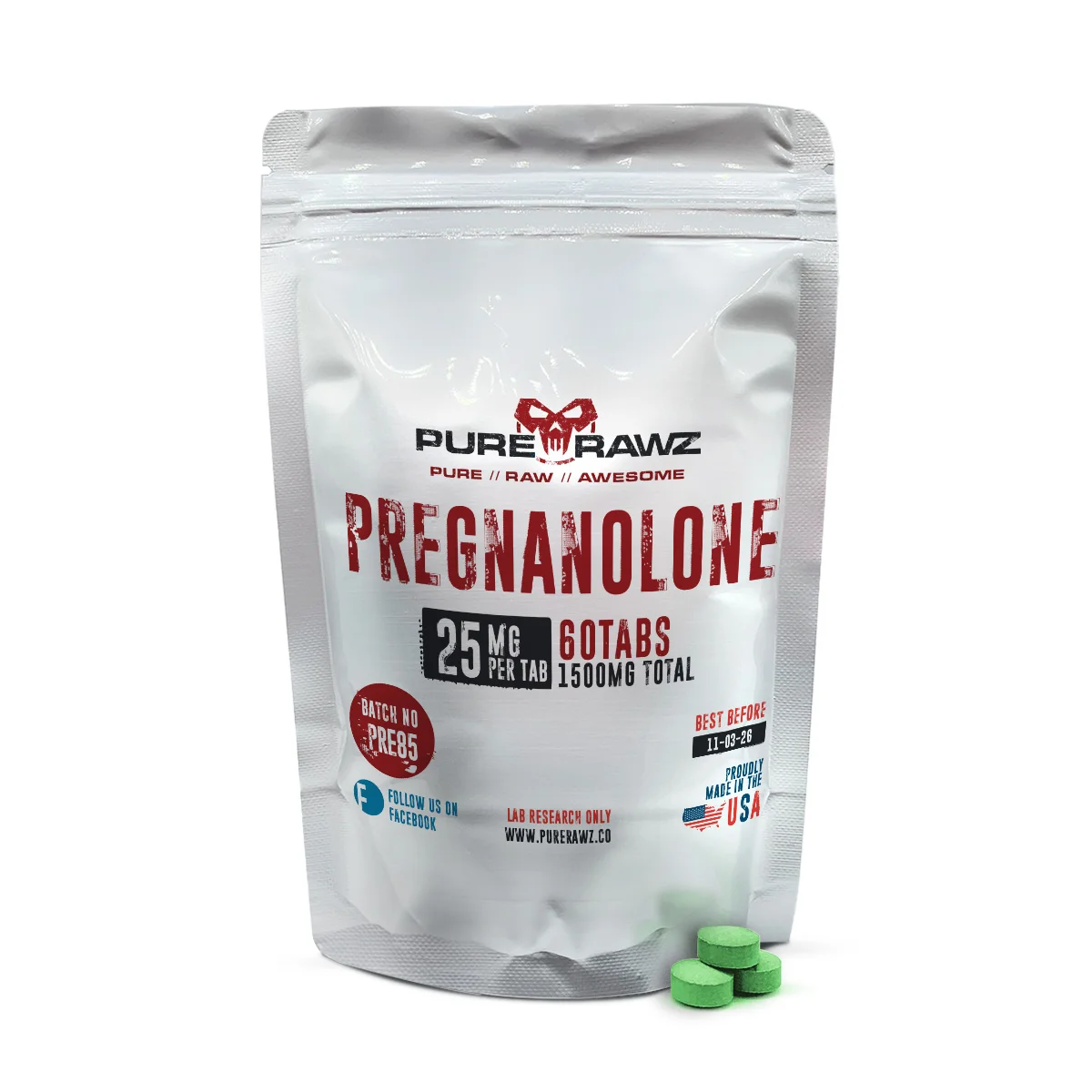
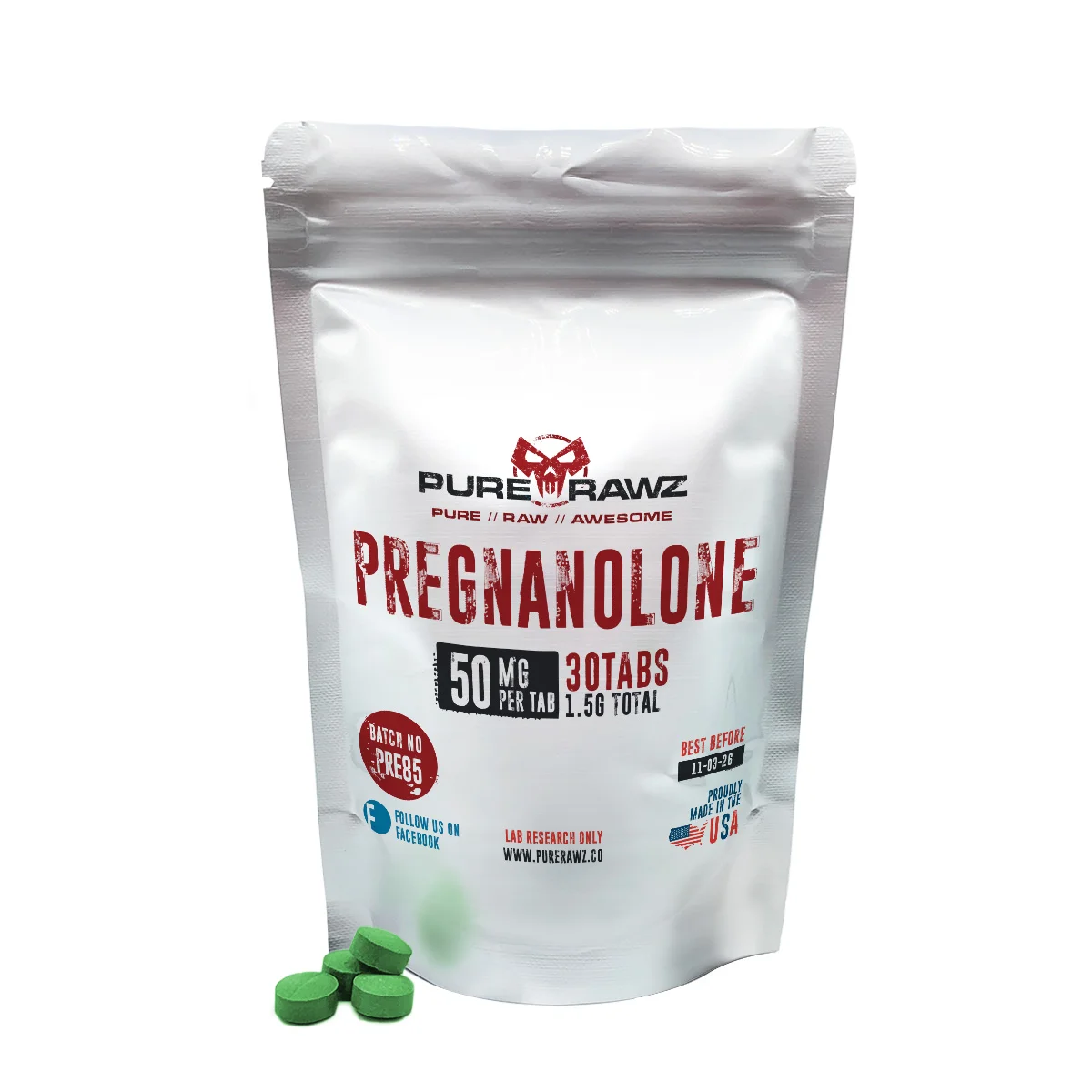
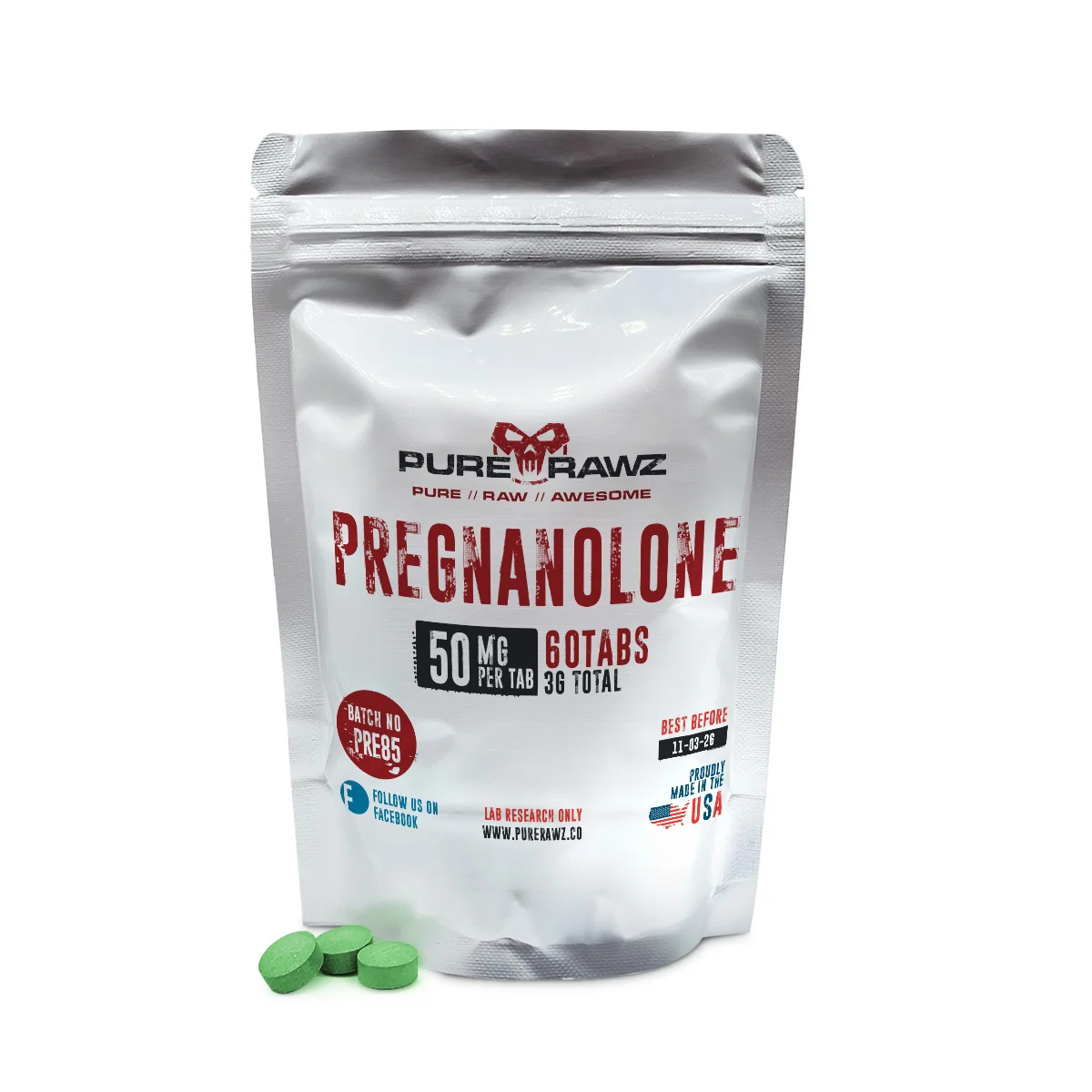
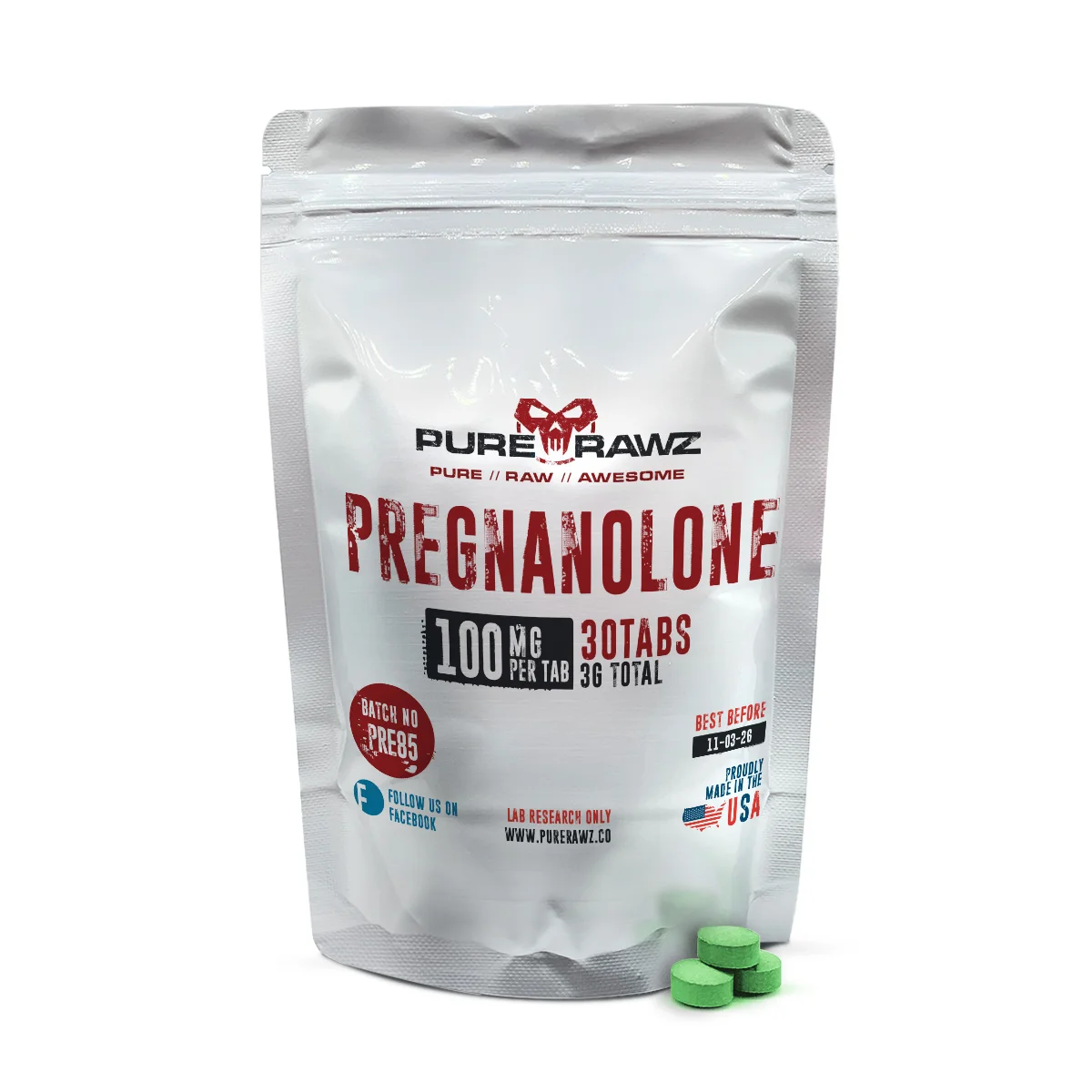
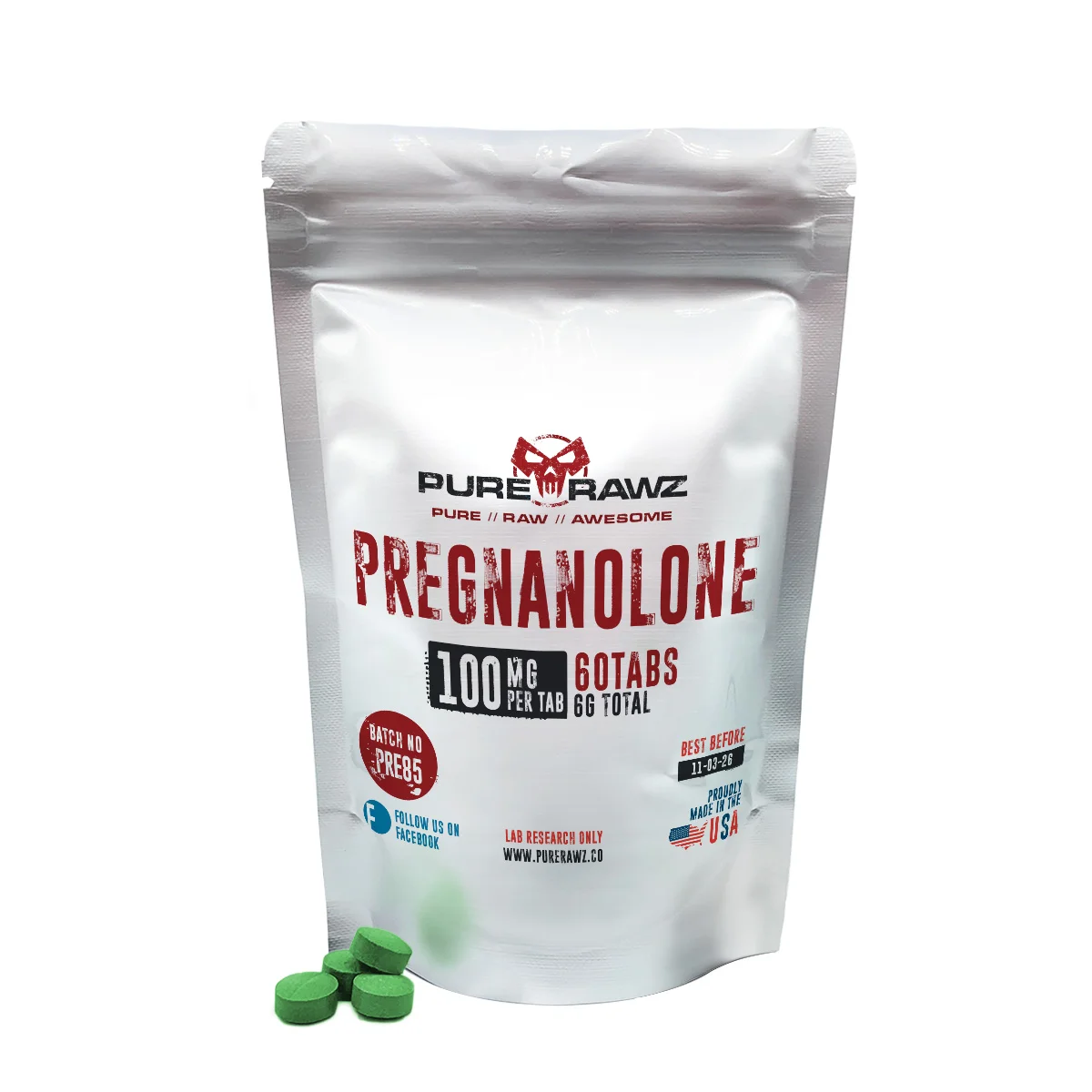
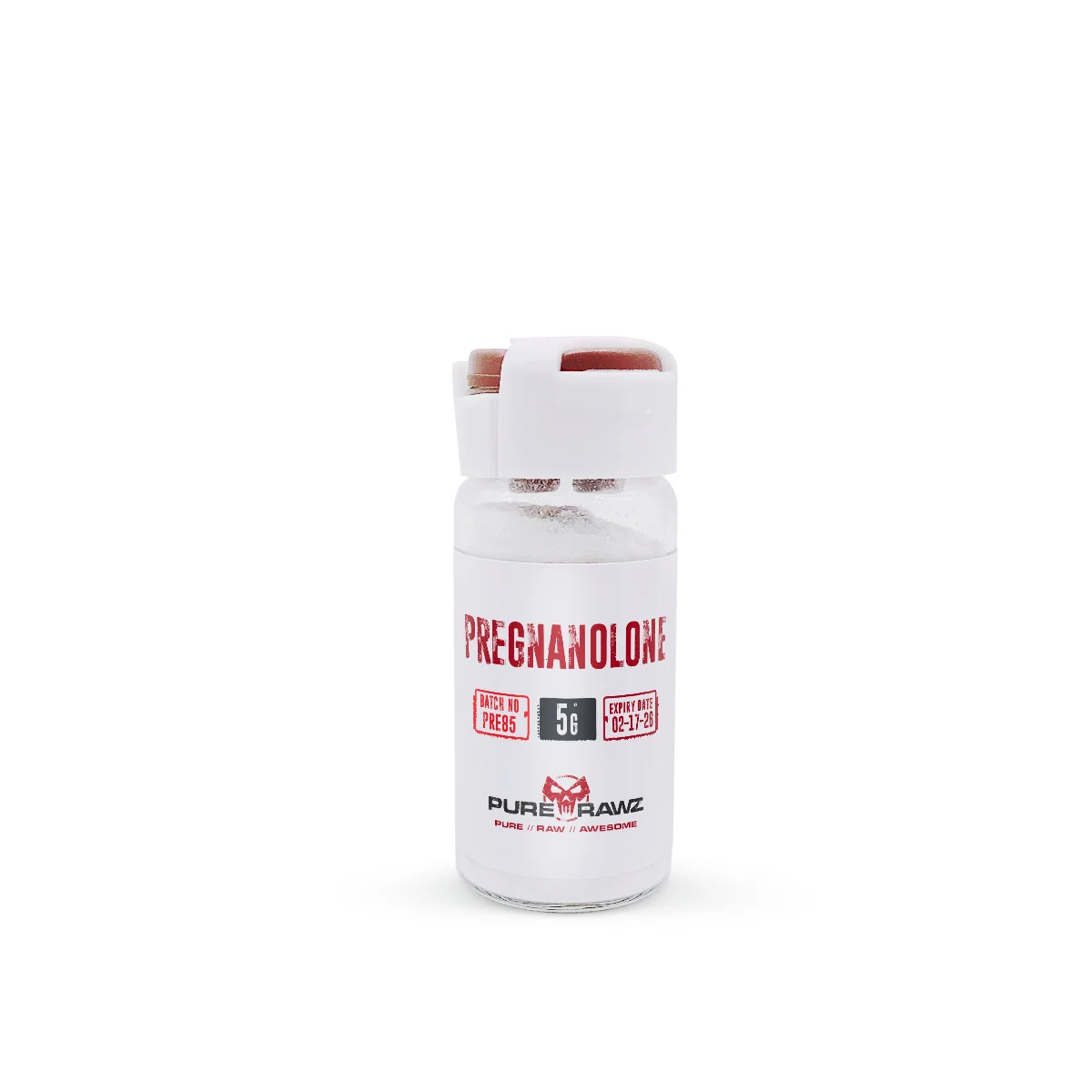
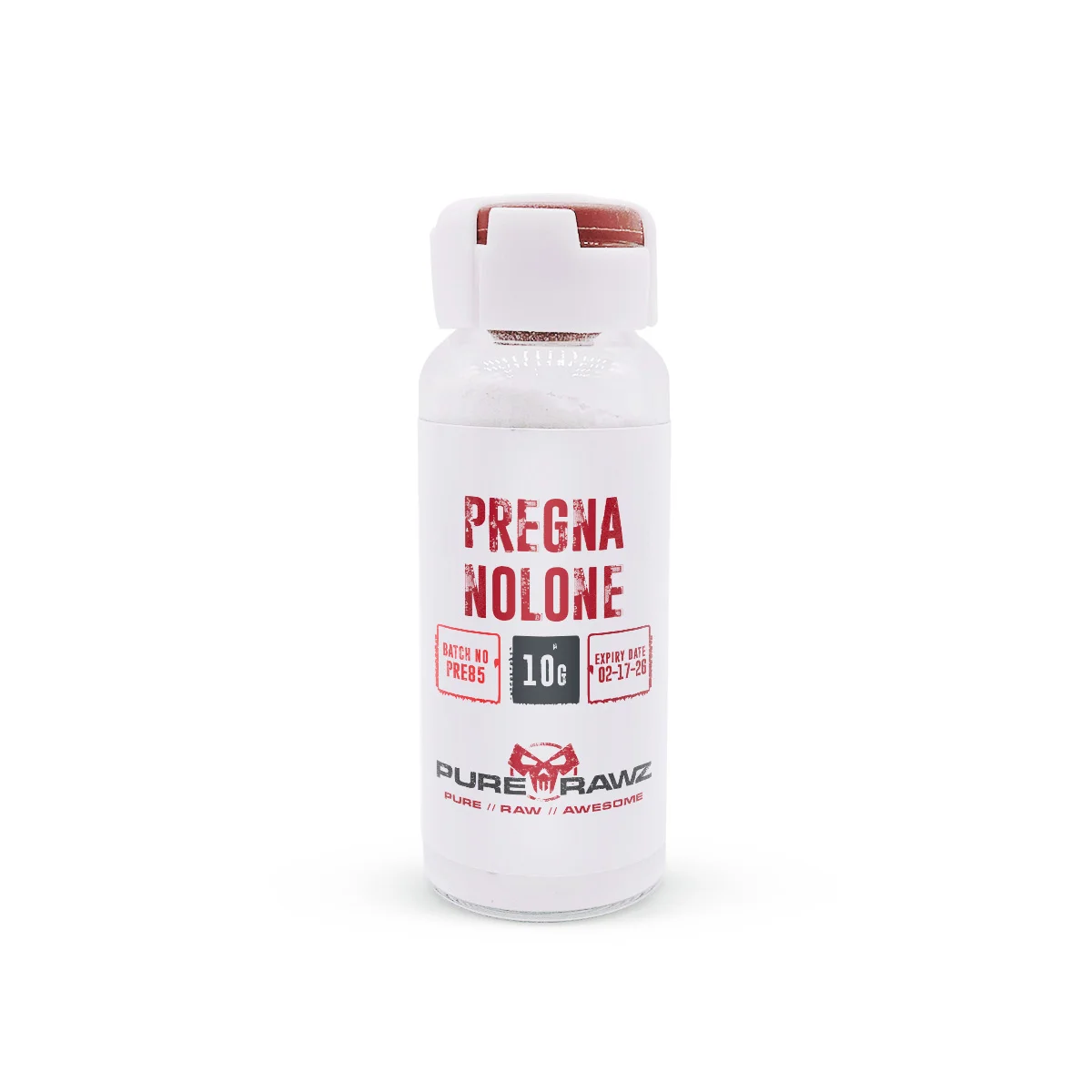
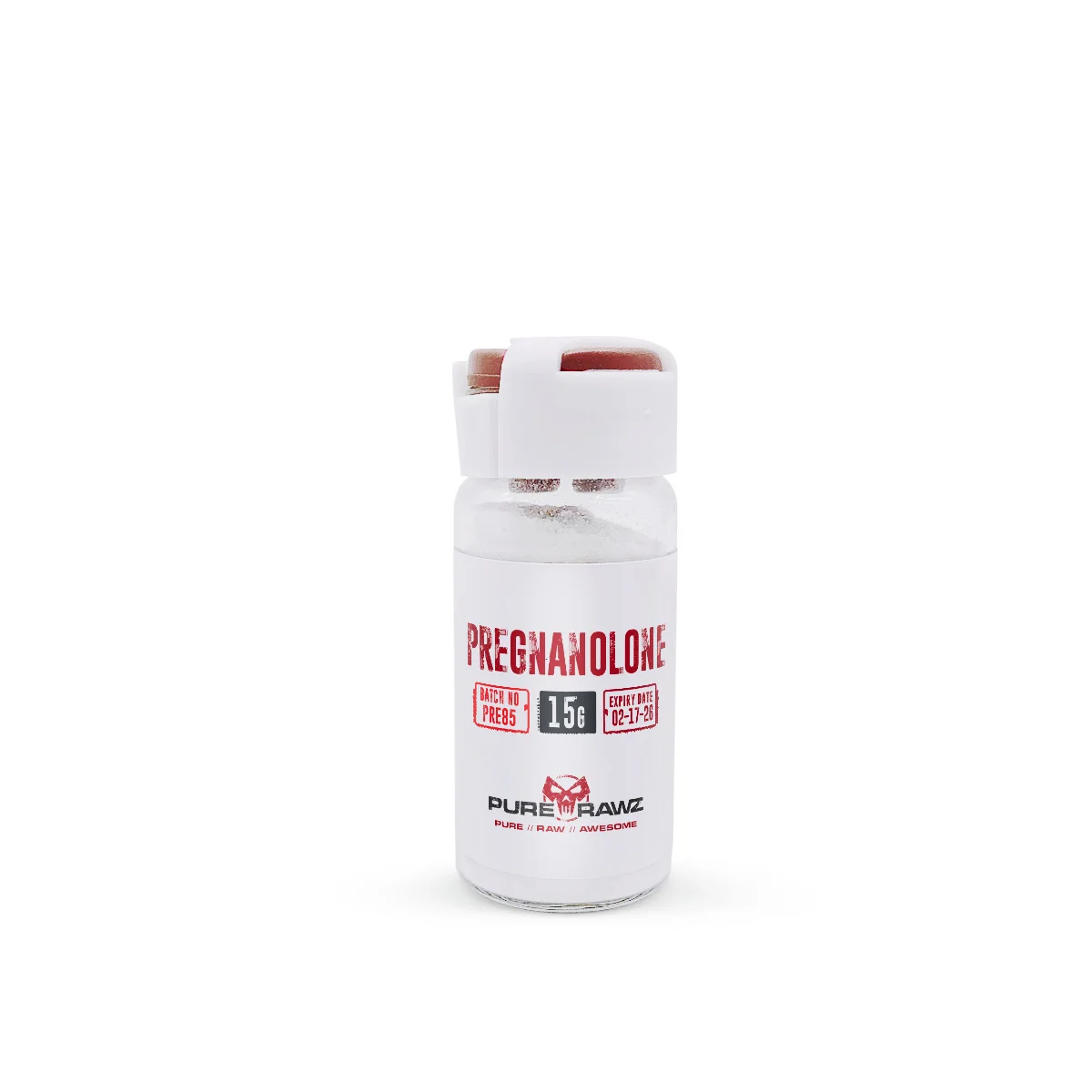
Pregnanolone
Price range: $11.45 through $100.55
Earn 11 - 101 points upon purchasing this product.
✅ 99% Purity – Third-Party Tested
🚚 Free U.S. Shipping on Orders $100+
 Proudly Made in the USA
⚡ Fast & Reliable Shipping
🔒 Secure Checkout Guaranteed
Enjoy 24/7 customer support, 1st & 3rd party verified 99% purity, and free shipping on orders over $100!
Description
Pregnanolone
Product Overview
Pregnanolone is a member of this metabolite class and an endogenous neuroactive steroid derived from progesterone metabolism. It has been studied in laboratory research on inhibitory neurotransmission and neuroendocrine regulation.
Within steroidogenic pathways, progesterone is enzymatically converted through several intermediates, producing neurosteroids that influence neurotransmitter systems in the central nervous system. Pregnanolone is a member of this metabolite class and has been studied in laboratory research on inhibitory neurotransmission and neuroendocrine regulation.
| Property | Data |
| Compound Name | Pregnanolone |
| PubChem CID | 91451 |
| CAS Number | 128-20-1 |
| Molecular Formula | C21H34O2 |
| Molecular Weight | 318.50 g/mol |
| Chemical Classification | Neurosteroid |
| IUPAC Name | 1-[(3R,5R,8R,9S,10S,13S,14S,17S)-3-hydroxy-10,13-dimethyl-2,3,4,5,6,7,8,9,11,12,14,15,16,17-tetradecahydro-1H-cyclopenta[a]phenanthren-17-yl]ethanone |
| Synonyms | Pregnanolone
ELTANOLONE |
| Strcuture | 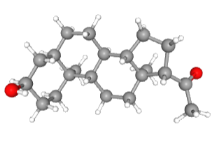 |
| Source Database | PubChem (NCBI) |
Working Mechanism
Pregnanolone has mostly been studied for its interaction with gamma-aminobutyric acid type A (GABA-A) receptors, which are a prominent inhibitory receptor system in the central nervous system. Neurosteroids can affect the activation of these receptors by binding to regulatory sites other than those used by classical neurotransmitters.
In many experimental settings, pregnanolone tends to behave as a positive allosteric modulator of GABA-A receptors. In this role, the chemical does not directly activate the receptor; rather, it modulates how sensitive it is to the endogenous neurotransmitter gamma-aminobutyric acid.
Research Applications
Pregnanolone appears in neurochemical studies investigating the role of neurosteroids in controlling synaptic inhibition. Neurosteroids are sometimes used as modulators in experimental models of GABAergic signaling to investigate how receptor activity varies in response to steroid-derived compounds.
Why Buy at PureRawz
PureRawz provides laboratory-grade research chemicals supported by independent Certificates of Analysis (COA) to verify purity and compound identity. Orders are packaged securely and processed through a streamlined checkout system with multiple payment options and shipment tracking for transparency. Researchers may also benefit from free shipping on orders of $100 or more, making it easier to obtain laboratory materials for ongoing experimental work
Note: Pregnanolone is distributed solely as a research chemical. It does not have approval from the U.S. Food and Drug Administration (FDA) for medical treatment or veterinary applications.
Research Disclaimer
The information presented is intended exclusively for educational and scientific reference. Products supplied by PureRawz are intended only for laboratory and analytical research.
ATTENTION: All products are FOR LABORATORY AND RESEARCH PURPOSES ONLY and NOT FOR HUMAN OR ANIMAL USE.
All experimental procedures should be conducted by qualified personnel in accordance with institutional regulatory oversight, such as IRB or IACUC protocols.
References
Belelli, D., & Lambert, J. J. (2005). Neurosteroids: Endogenous regulators of the GABA(A) receptor. Nature Reviews Neuroscience, 6(7), 565 575. https://pubmed.ncbi.nlm.nih.gov/15959466/
National Center for Biotechnology Information. (2024). Pregnanolone compound summary. PubChem Database. https://pubchem.ncbi.nlm.nih.gov/compound/91451
Reddy, D. S. (2010). Neurosteroids: Endogenous role in the human brain and therapeutic potentials. Progress in Brain Research, 186, 113 137. https://pubmed.ncbi.nlm.nih.gov/21094889/
National Library of Medicine. (2024). Neurosteroid pharmacology resources. https://www.nlm.nih.gov
ClinicalTrials.gov. (2024). Neurosteroid and GABA receptor research database. https://clinicaltrials.gov

Dr. Helma Wennemers
Dr. Helma Wennemers is a globally recognized chemist shaping modern peptide science and molecular design through highly original research in applied biosciences.
Her work explores how precise molecular architecture can be engineered to create new functional systems in chemistry and life sciences. Her contributions continue to redefine contemporary chemical research through creativity, depth, and structural innovation.
Please click here to access instructions on how to make a payment.
How to PayRelated products
-

CDP Choline (Citicoline)
$28.41 Select options This product has multiple variants. The options may be chosen on the product page -
Fonturacetam Phenylpiracetam Hydrazide 98%
Price range: $25.68 through $71.05 Select options This product has multiple variants. The options may be chosen on the product page -
IDRA-21
Price range: $17.47 through $89.62 Select options This product has multiple variants. The options may be chosen on the product page -
Picamilon Sodium (Nicotinoyl-GABA)
$24.57 Select options This product has multiple variants. The options may be chosen on the product page


