
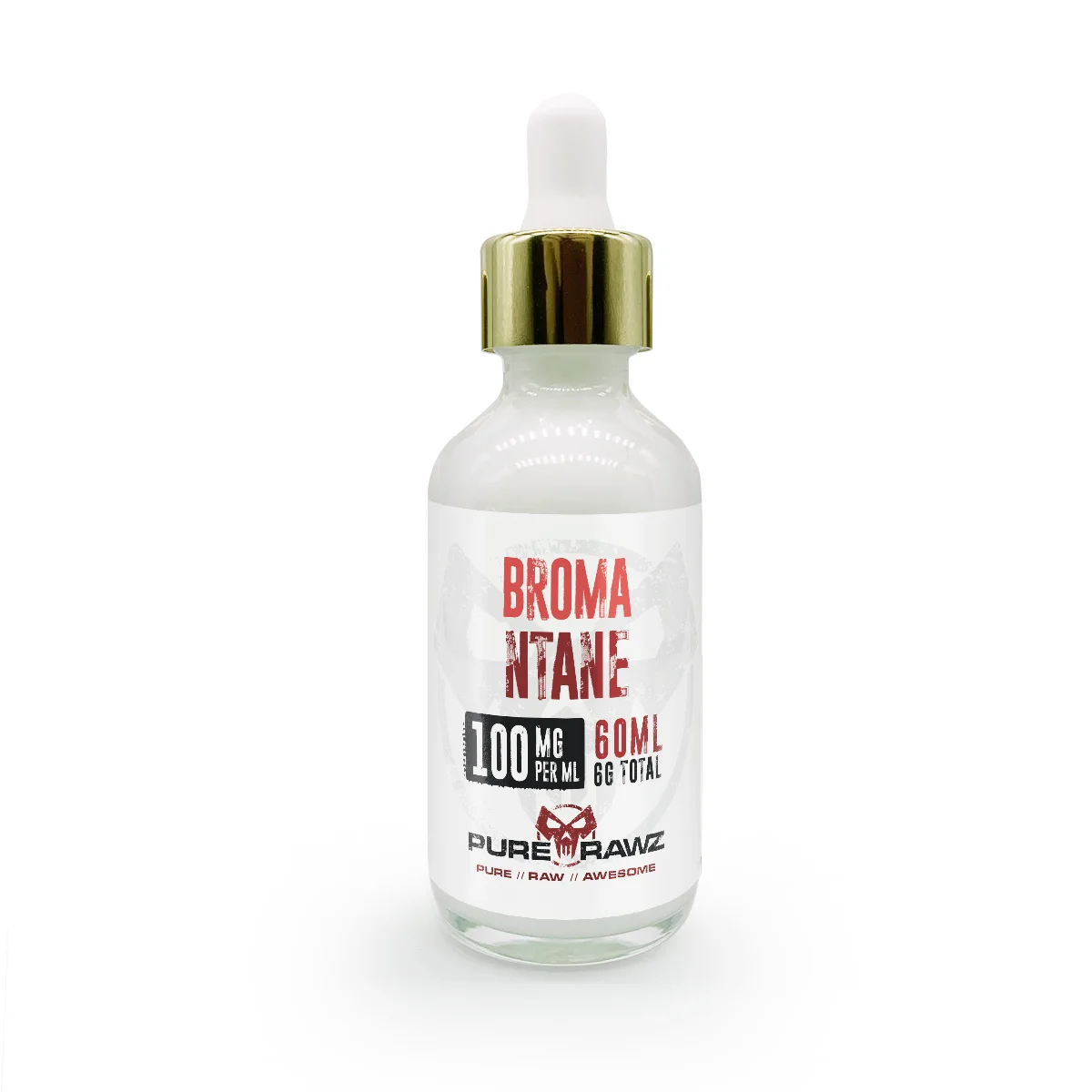
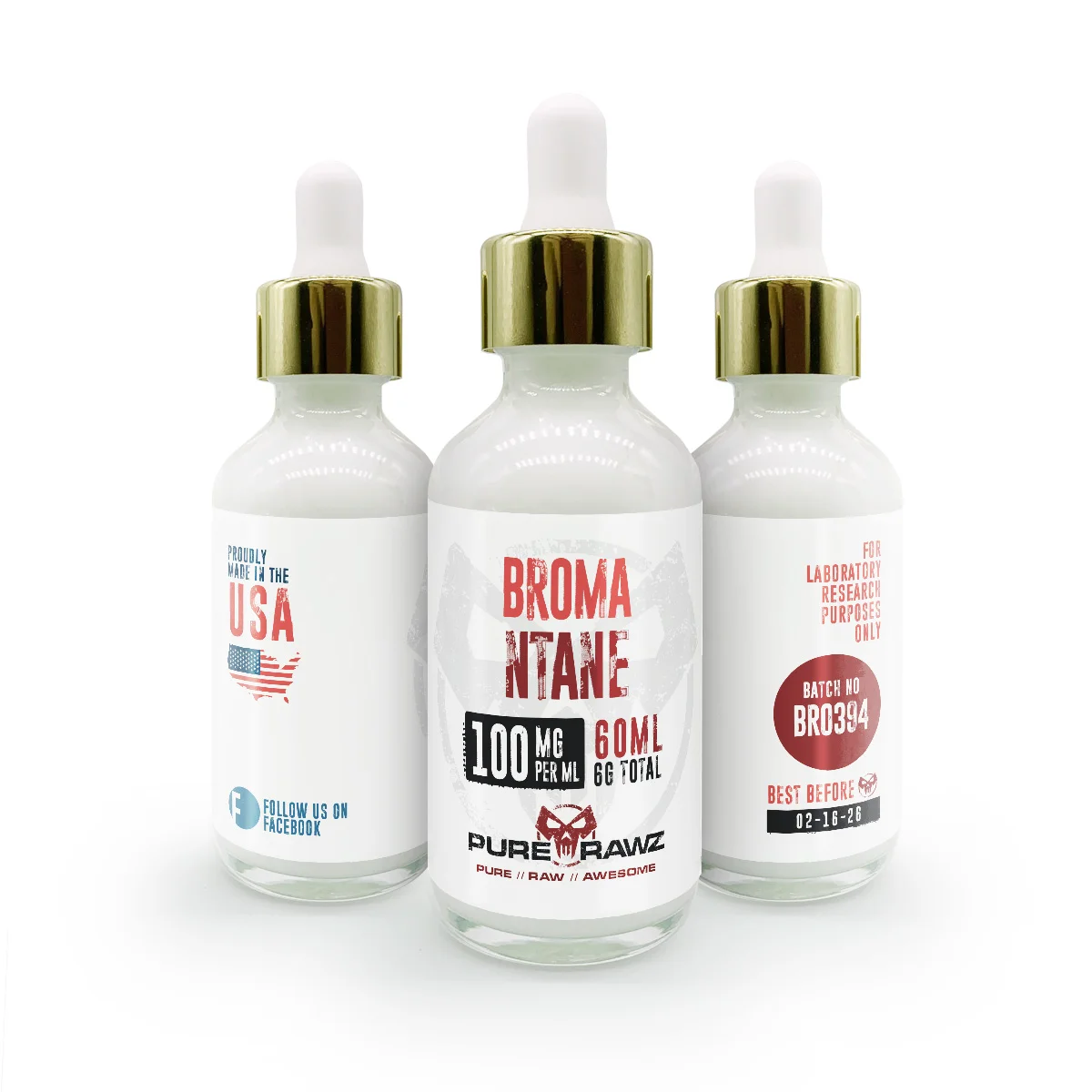
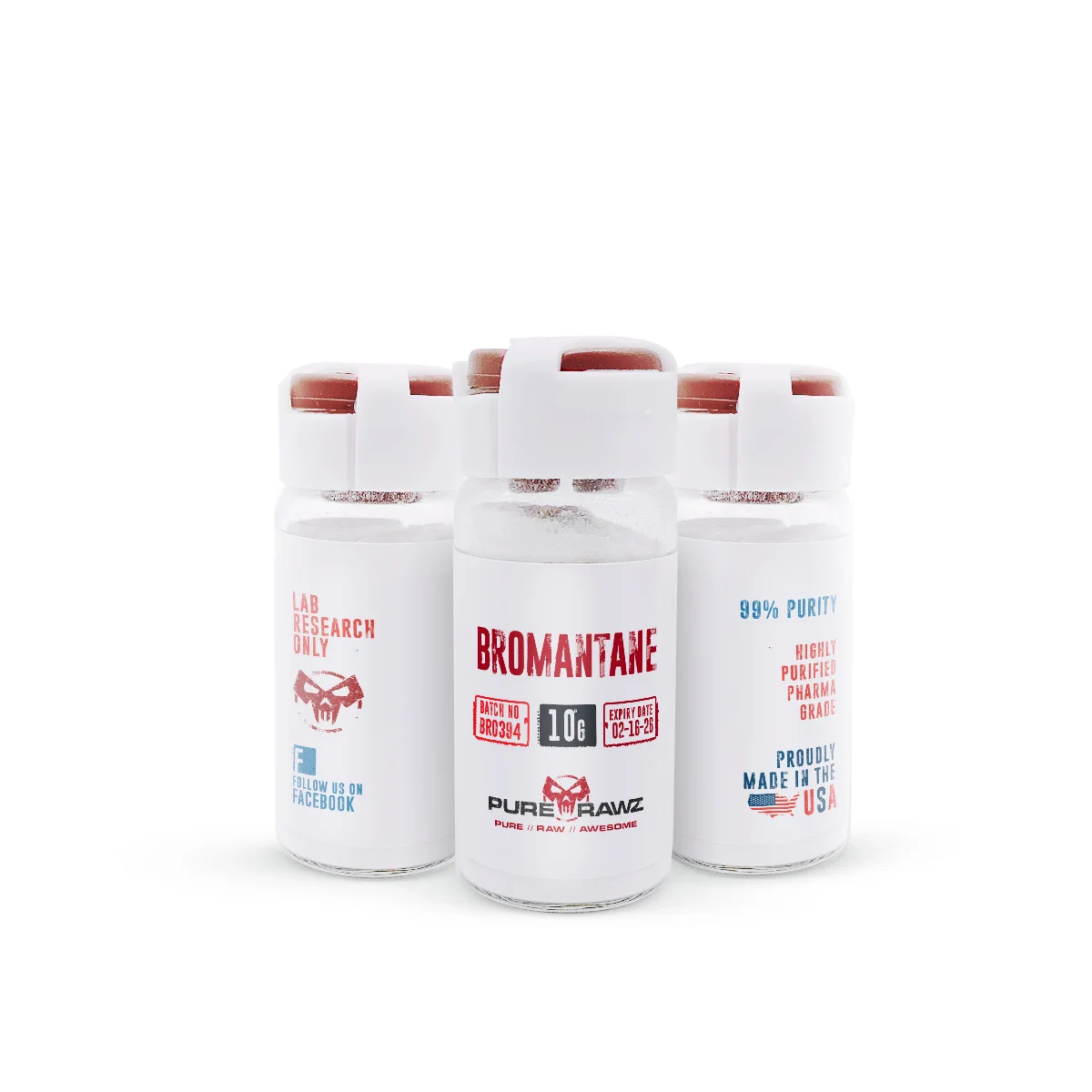
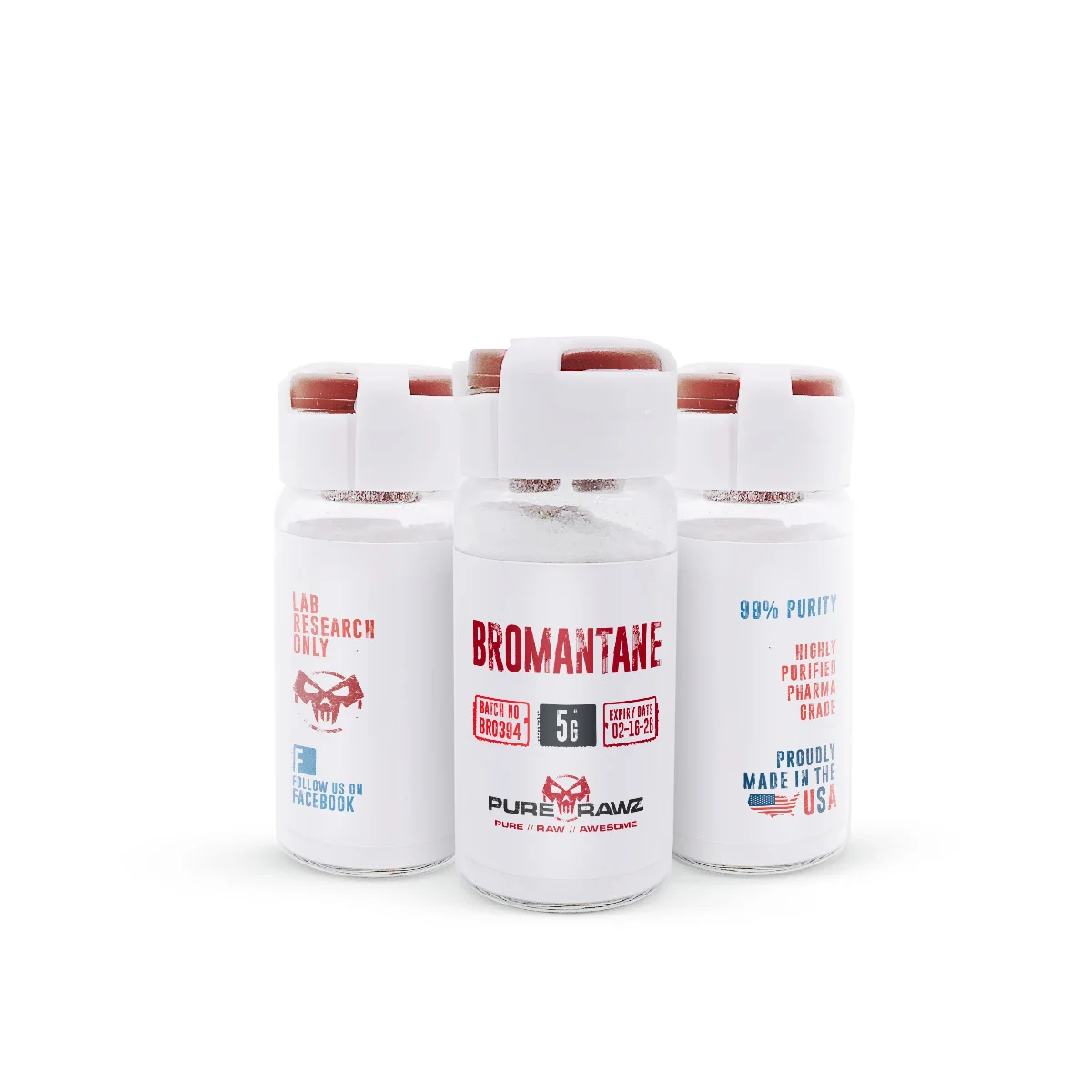
Bromantane
Price range: $68.86 through $113.11
Earn 69 - 113 points upon purchasing this product.
✅ 99% Purity – Third-Party Tested
🚚 Free U.S. Shipping on Orders $100+
 Proudly Made in the USA
⚡ Fast & Reliable Shipping
🔒 Secure Checkout Guaranteed
Enjoy 24/7 customer support, 1st & 3rd party verified 99% purity, and free shipping on orders over $100!
Description
Bromantane
Bromantane is a synthetic compound structurally derived from the adamantane chemical framework, a class of cage-like hydrocarbons frequently investigated in pharmacological research due to their unique physicochemical stability and lipophilic properties.
The compound was first synthesized in the late 20th century and has since been referenced in scientific literature in connection with actoprotective and neurochemical signaling research.
Within experimental and preclinical contexts, Bromantane has been examined for its interactions with dopaminergic signaling systems and intracellular regulatory pathways. Early investigations, particularly those originating from Russian pharmacological research programs, explored the compound's potential role in modulating cellular responses to metabolic and environmental stressors within controlled laboratory models.
Chemical and Molecular Properties
| Chemical Name | Bromantane |
| IUPAC Name | N-(4-bromophenyl)adamantan-2-amine |
| CAS Number | 87913-26-6 |
| Molecular Formula | C16H20BrN |
| Molecular Weight | 306.25 g/mol |
| Chemical Classification | Adamantane derivative |
| Structural Class | Substituted amine |
| Synonyms | Ladasten; N-(4-bromophenyl)-2-adamantanamine |
| Labeling | Research Use Only (RUO) |
Working Mechanism
Dopamine Biosynthesis Pathway Modulation
Experimental pharmacology research has investigated Bromantane for its influence on dopamine biosynthesis pathways at the molecular level. Preclinical studies indicate that the compound may increase the expression of key enzymes involved in dopamine synthesis, including:
- Tyrosine hydroxylase (TH)
- Aromatic L-amino acid decarboxylase (AAAD)
These enzymes are responsible for catalyzing critical steps in the biochemical conversion of tyrosine to dopamine within neuronal systems. In experimental models, increased expression of these enzymes may alter the capacity for dopamine biosynthesis within dopaminergic neurons.
This mechanism differs from compounds that primarily influence neurotransmitter release or transporter inhibition, as Bromantane has been studied for its potential effects on enzyme regulation and neurotransmitter production pathways.
Intracellular Signaling Pathway Activation
Research conducted in cell culture and animal models has also explored Bromantane's effects on intracellular signaling networks associated with gene expression and enzymatic regulation.
Experimental observations suggest the compound may interact with signaling pathways involving:
- cyclic adenosine monophosphate (cAMP)
- calcium-dependent signaling systems (Ca2+)
- protein kinase signaling cascades
Activation of these pathways in laboratory models has been associated with transcriptional regulation of genes involved in catecholamine synthesis, potentially influencing the expression of dopamine-related biosynthetic enzymes.
These signaling interactions are typically examined through biochemical assays, molecular pathway analysis, and gene expression studies in experimental research systems.
Neurochemical Regulation in Experimental Systems
Because Bromantane influences enzyme expression rather than direct neurotransmitter release, it has been investigated as a compound that may modulate dopaminergic tone through biosynthetic regulation.
Preclinical research has examined how this mechanism affects dopamine-related signaling networks within neuronal research models. Investigations frequently utilize molecular biology techniques to measure enzyme expression levels, signaling pathway activation, and intracellular regulatory responses.
Research Applications of Bromantane in Laboratory Settings
Dopamine Biosynthesis Research
Experimental models may evaluate how Bromantane influences the expression of enzymes involved in dopamine synthesis, including tyrosine hydroxylase and aromatic L-amino acid decarboxylase.
Neurotransmitter Signaling Studies
Cell-based assays and biochemical experiments may analyze the compound's interactions with dopaminergic signaling pathways and neurotransmitter biosynthesis regulation.
Intracellular Signaling Pathway Investigation
In vitro experimental systems may investigate Bromantane's potential effects on signaling networks such as cAMP-dependent pathways, calcium signaling, and protein kinase activation.
Stress Response Research in Experimental Models
Preclinical investigations have examined Bromantane in studies analyzing cellular responses to metabolic and environmental stress conditions, including research involving immune signaling pathways and toxin resistance in animal models.
Structure-Activity Relationship (SAR) Studies
Because Bromantane belongs to the adamantane structural class, it may be included in research examining structure-activity relationships among adamantane derivatives and related amine compounds.
These studies aim to characterize molecular interactions, enzyme regulation, and signaling responses under controlled laboratory conditions.
Why Choose Purerawz for Bromantane?
Buy Bromantane for laboratory research use from our online shop. At Purerawz, we provide high-quality reference materials. Each research compound comes with a Certificate of Analysis for verification of purity and concentration.
Disclaimer
This information is for educational purposes only and not medical advice. Products are for research use only. Research must follow IRB or IACUC guidelines. Verify information independently before purchasing. By ordering, you agree to our Terms and Conditions. If you are not 100% satisfied with the product you received, please contact us at support@staging.purerawz.co
Reference Links
- Grekhova, T. V., Gainetdinov, R. R., Sotnikova, T. D., Krasnykh, L. M., Kudrin, V. S., Sergeeva, S. A., & Morozov, I. S. (1995). Effect of bromantane, a new immunostimulating agent with psychostimulating activity, on the release and metabolism of dopamine in the striatum of freely moving rats. A microdialysis study. Bulletin of Experimental Biology and Medicine, 119(3), 294-296. https://doi.org/10.1007/bf02445840
- Morozov, I. S., Klimova, N. V., Karpova, T. D., & Shestopalov, S. S. (1999). [The characteristics of the neuropsychotropic activity of bromantane in laboratory animals]. PubMed, 62(2), 3-6. https://pubmed.ncbi.nlm.nih.gov/10340117

Dr. Helma Wennemers
Dr. Helma Wennemers is a globally recognized chemist shaping modern peptide science and molecular design through highly original research in applied biosciences.
Her work explores how precise molecular architecture can be engineered to create new functional systems in chemistry and life sciences. Her contributions continue to redefine contemporary chemical research through creativity, depth, and structural innovation.
Please click here to access instructions on how to make a payment.
How to PayRelated products
-

Nooglutyl
$26.22 Select options This product has multiple variants. The options may be chosen on the product page -
L-Tetrahydropalmatine (L-THP)
$25.68 Select options This product has multiple variants. The options may be chosen on the product page -
Agrocybe 30% Bisporiust
Price range: $26.77 through $56.28 Select options This product has multiple variants. The options may be chosen on the product page -
Sulbutiamine
Price range: $17.47 through $61.76 Select options This product has multiple variants. The options may be chosen on the product page


