
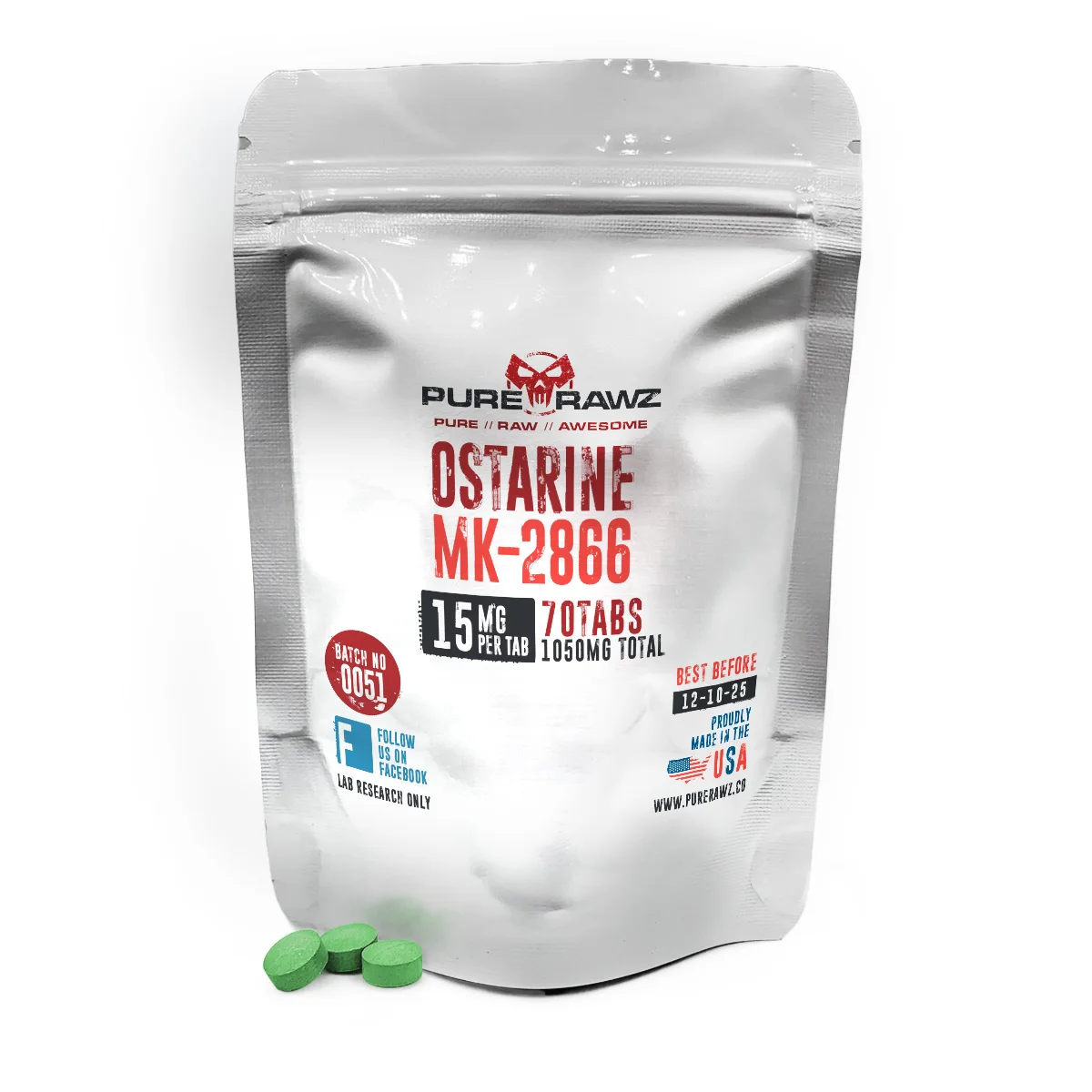
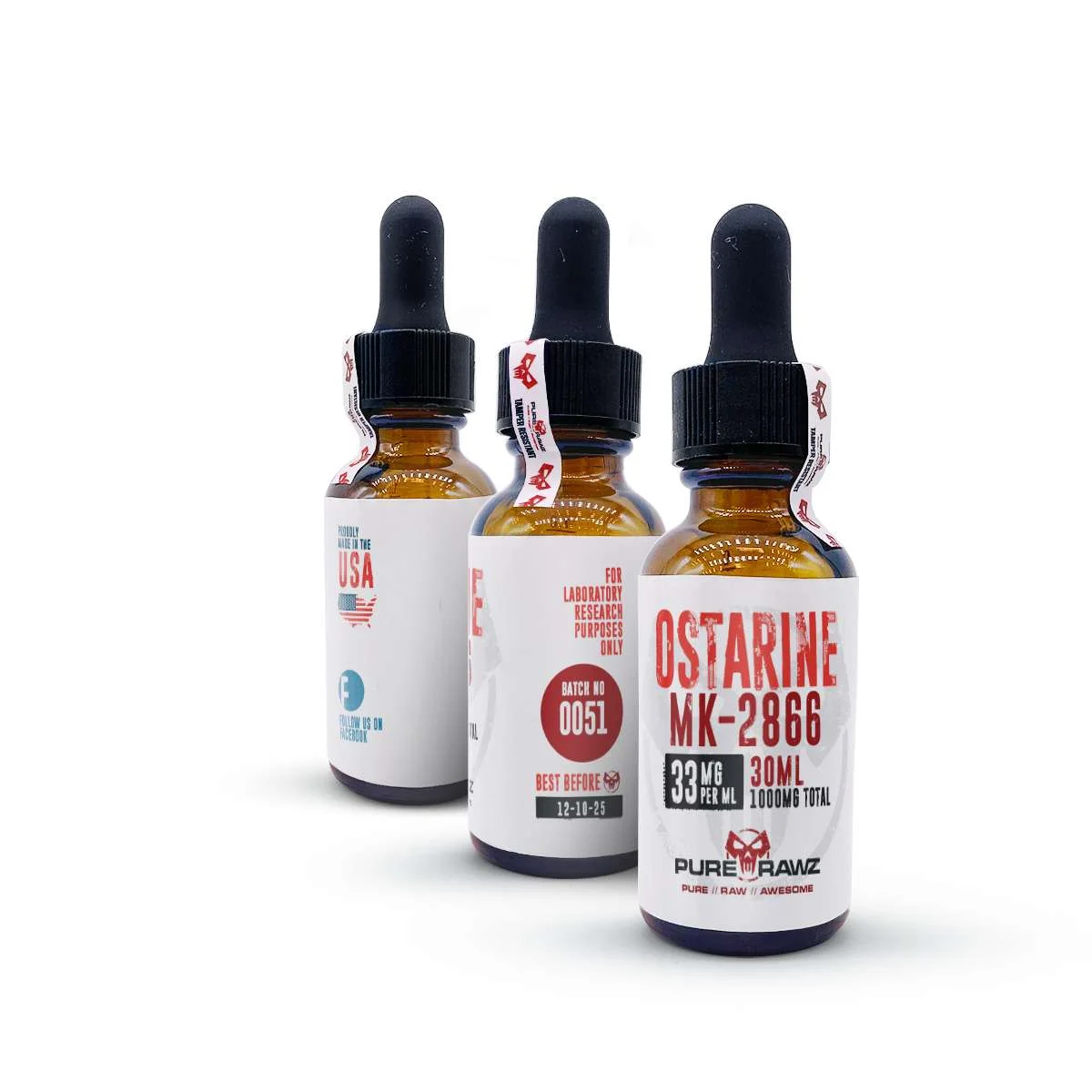
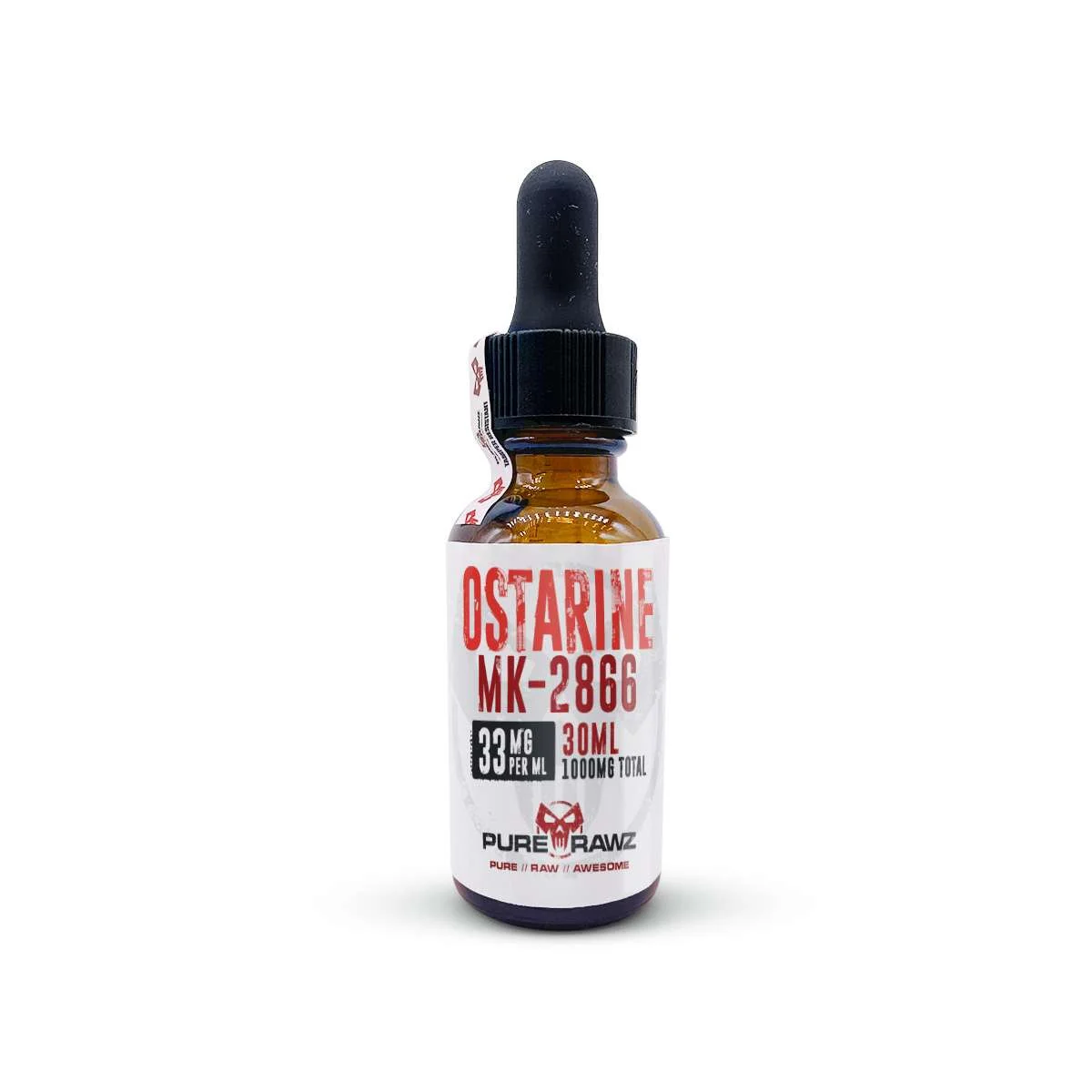
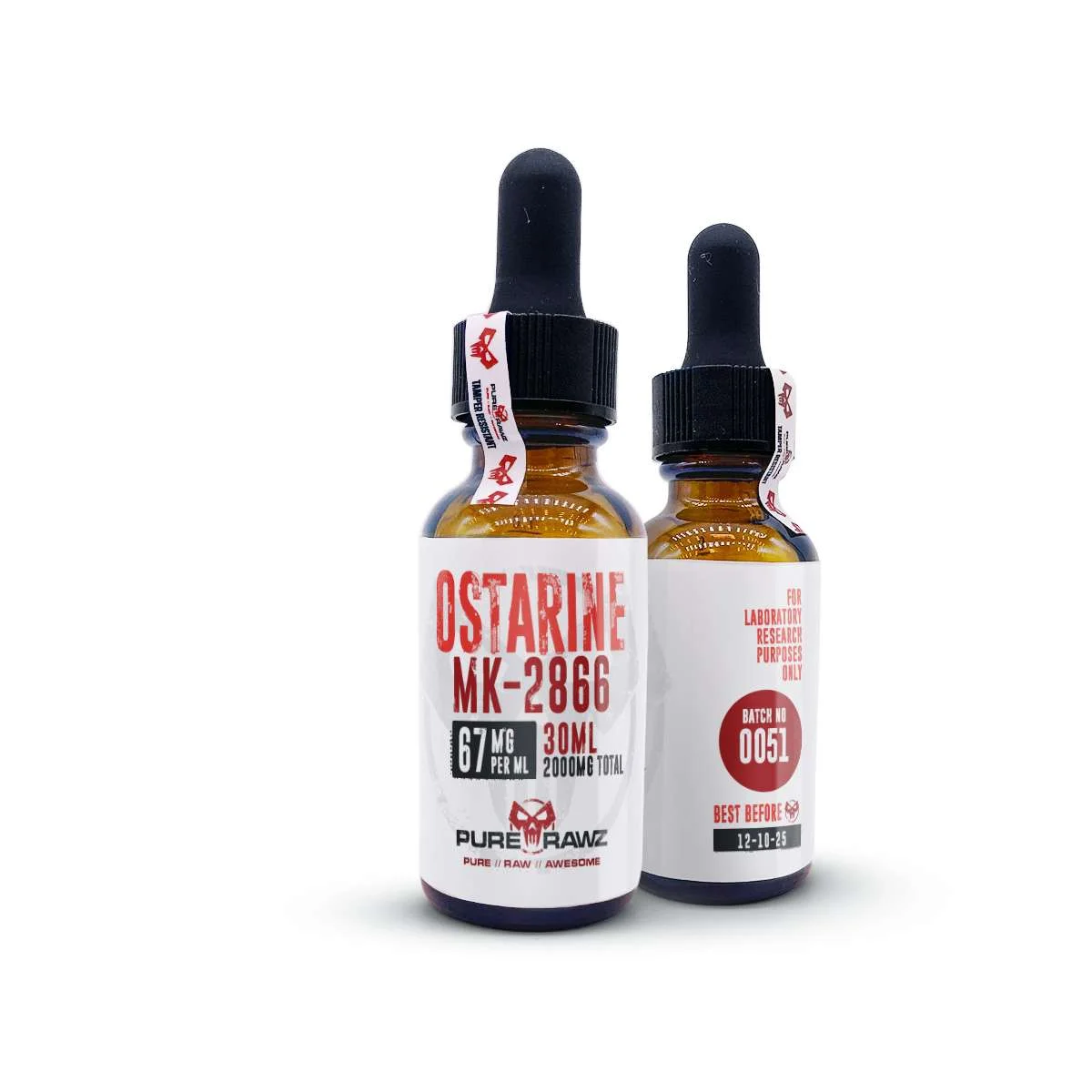
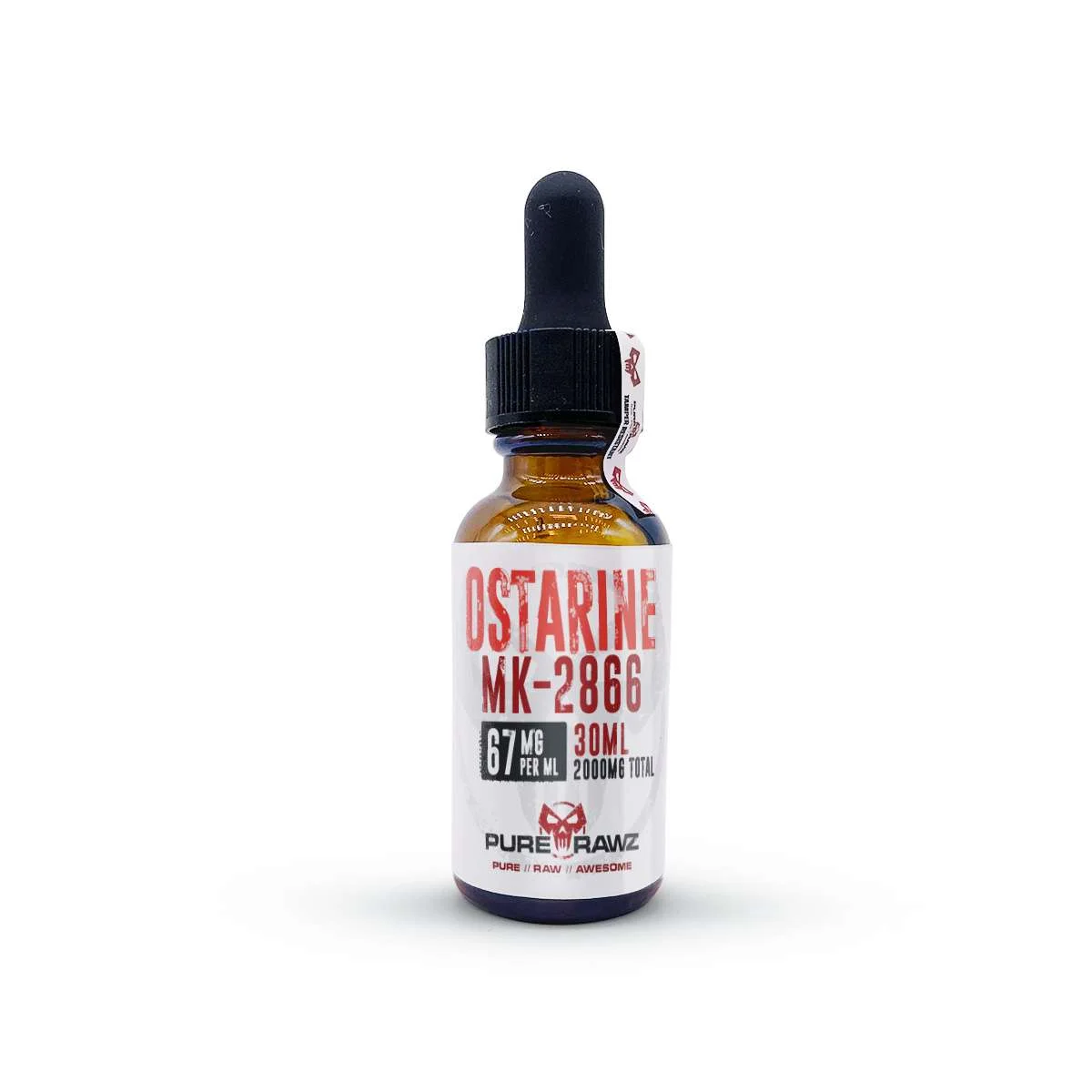
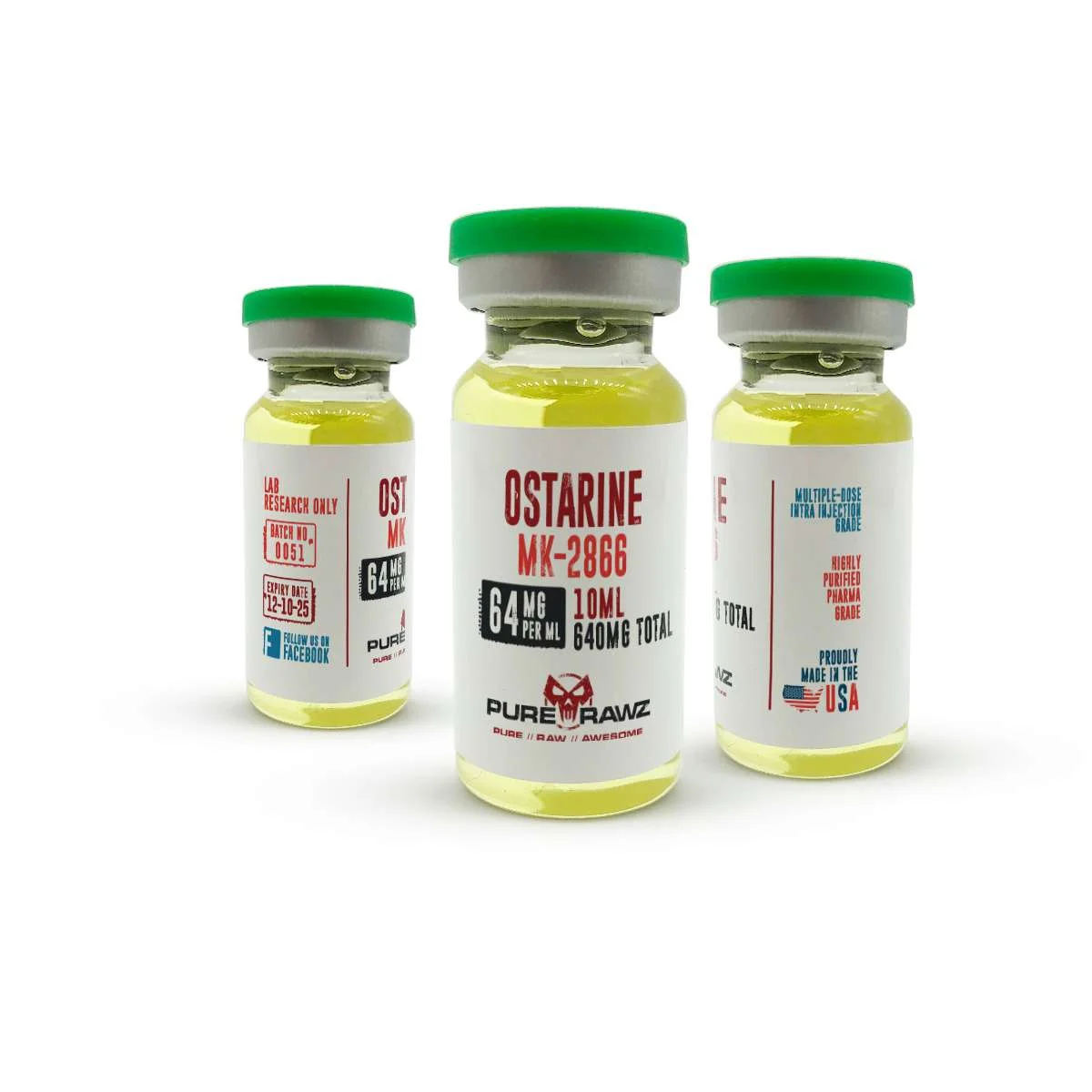
Ostarine (MK-2866)
Price range: $31.13 through $155.75
Earn 31 - 156 points upon purchasing this product.
✅ 99% Purity – Third-Party Tested
🚚 Free U.S. Shipping on Orders $100+
 Proudly Made in the USA
⚡ Fast & Reliable Shipping
🔒 Secure Checkout Guaranteed
Enjoy 24/7 customer support, 1st & 3rd party verified 99% purity, and free shipping on orders over $100!
Description
Overview of Ostarine
Ostarine (MK-2866) is a selective androgen receptor modulator (SARM). It has been studied in early-stage research for its potential molecular effects on androgen receptors. Ostarine binds to androgen receptors in specific cell types, influencing intracellular signaling pathways. Research has examined how this binding affects gene expression and protein regulation at the cellular level.
Ostarine is supplied for laboratory research applications only. It is not intended to diagnose, treat, cure, or prevent any disease.
Chemical and Molecular Properties
| Ostarine | |
| PubChem CID | 11326715 |
| Molecular Formula | C19H14F3N3O3 |
| Molecular Weight | 389.3 g/mol |
| Synonyms | ENOBOSARM
MK-2866 |
| IUPAC | (1S)-21-methyl-3,13,21-triazapentacyclo[11.8.0.02,10.04,9.015,20]henicosa-2(10),4,6,8,15,17,19-heptaen-14-one |
| CAS | 841205-47-8 |
| Labeling | Research Use Only (RUO), not for human or animal consumption. |
| Chemical Structure Depiction | 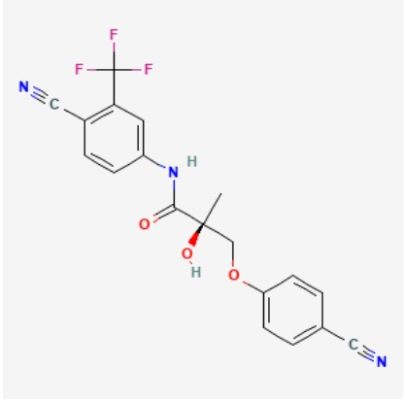 |
| Purity | ≥98% |
| Classification | Research Use Only (RUO) |
| Storage Temperature | 2–8 °C recommended; protect from light |
| Solubility | Soluble in organic solvents such as ethanol and DMSO; miscible depending on formulation solvent |
| Safety | Handle using standard laboratory precautions including gloves, lab coat, and eye protection |
Ostarine Mechanism
Ostarine binds with high affinity to the androgen receptor (AR), forming a ligand–receptor complex that activates androgen-dependent signaling pathways.
Following receptor binding, the activated complex undergoes structural changes and translocates to the cell nucleus. Within the nucleus, the complex interacts with androgen response elements (AREs) in genomic DNA. This interaction regulates the transcription of androgen-responsive genes involved in cellular protein regulation, metabolic activity, and structural cell processes.
According to experimental models, this signaling takes place via genomic androgen receptor pathways, where changes in gene transcription impact subsequent cellular processes. Ostarine can affect metabolic pathways and gene expression by activating androgen receptors in cultured biological systems, according to in vitro studies.
Research Insights
Research on Ostarine's molecular effects is still limited. Studies mainly look at its impact on protein production and receptor activity in muscle and bone. More research is needed to understand its long-term biochemical effects and how it interacts with different pathways.
Why Choose PureRawz Ostarine?
Buy Ostarine for laboratory research use from our online shop. At Purerawz, we provide high-quality reference materials. Each research compound comes with a Certificate of Analysis for verification of purity and concentration.
Note:
Ostarine is an investigational compound currently undergoing clinical evaluation and has not been established as safe or effective for any therapeutic use.
Disclaimer
This information is for educational purposes only and not medical advice. Products are for research use only. Research must follow IRB or IACUC guidelines. Verify information independently before purchasing. By ordering, you agree to our Terms and Conditions. If you are not 100% satisfied with the product you received, please contact us at support@staging.purerawz.co
ATTENTION: All our products are for LABORATORY AND RESEARCH PURPOSES ONLY, not for veterinary or human use.
Reference Links
Da Fonseca, G. W. P., Dworatzek, E., Ebner, N., & Von Haehling, S. (2020). Selective androgen receptor modulators (SARMs) as pharmacological treatment for muscle wasting in ongoing clinical trials. Expert Opinion on Investigational Drugs, 29(8),881–891.https://doi.org/10.1080/13543784.2020.1777275
Komrakova, M., Furtwangler, J., Hoffmann, D. B., Lehmann, W., Schilling, A. F., &Sehmisch, S. (2019). The selective androgen receptor modulator ostarine improves bone healing in ovariectomized rats. Calcified Tissue International,106(2), 147–157. https://doi.org/10.1007/s00223-019-00613-1
Leciejewska, N., Kaczmarczyk-Sedlak, I., Folwarczna, J., & Trzeciak, H. I. (2019). Effect of ostarine (enobosarm, GTx-024), a selective androgen receptor modulator, on adipocyte metabolism in Wistar rats. Journal of Physiology and Pharmacology, 70(4). https://doi.org/10.26402/jpp.2019.4.04
Narayanan, R., Coss, C. C., Dalton, J. T., & Njar, V. C. O. (2018). Selective androgen receptor modulators in preclinical and clinical development. Nuclear Receptor Signaling, 15, 1–25.https://pmc.ncbi.nlm.nih.gov/articles/PMC2602589/
Roch, P. J., Henkies, D., Carstens, J. C., Krischek, C., Lehmann, W., Komrakova, M., & Sehmisch, S. (2020). Ostarine and ligandrol improve muscle tissue in an ovariectomized rat model. Frontiers in Endocrinology, 11,556581.https://doi.org/10.3389/fendo.2020.556581

Dr. Helma Wennemers
Dr. Helma Wennemers is a globally recognized chemist shaping modern peptide science and molecular design through highly original research in applied biosciences.
Her work explores how precise molecular architecture can be engineered to create new functional systems in chemistry and life sciences. Her contributions continue to redefine contemporary chemical research through creativity, depth, and structural innovation.
Please click here to access instructions on how to make a payment.
How to PayRelated products
-

LGD-3303
Price range: $84.93 through $296.69 Select options This product has multiple variants. The options may be chosen on the product page -
Andarine (S-4)
Price range: $40.36 through $147.63 Select options This product has multiple variants. The options may be chosen on the product page -
MK-777 (Acetamoren)
Price range: $69.99 through $191.99 Select options This product has multiple variants. The options may be chosen on the product page -
Ligandrol (LGD-4033)
Price range: $34.41 through $184.72 Select options This product has multiple variants. The options may be chosen on the product page


