
🔥 WE HAVE THE BEST COMPOUNDS ON THE PLANET
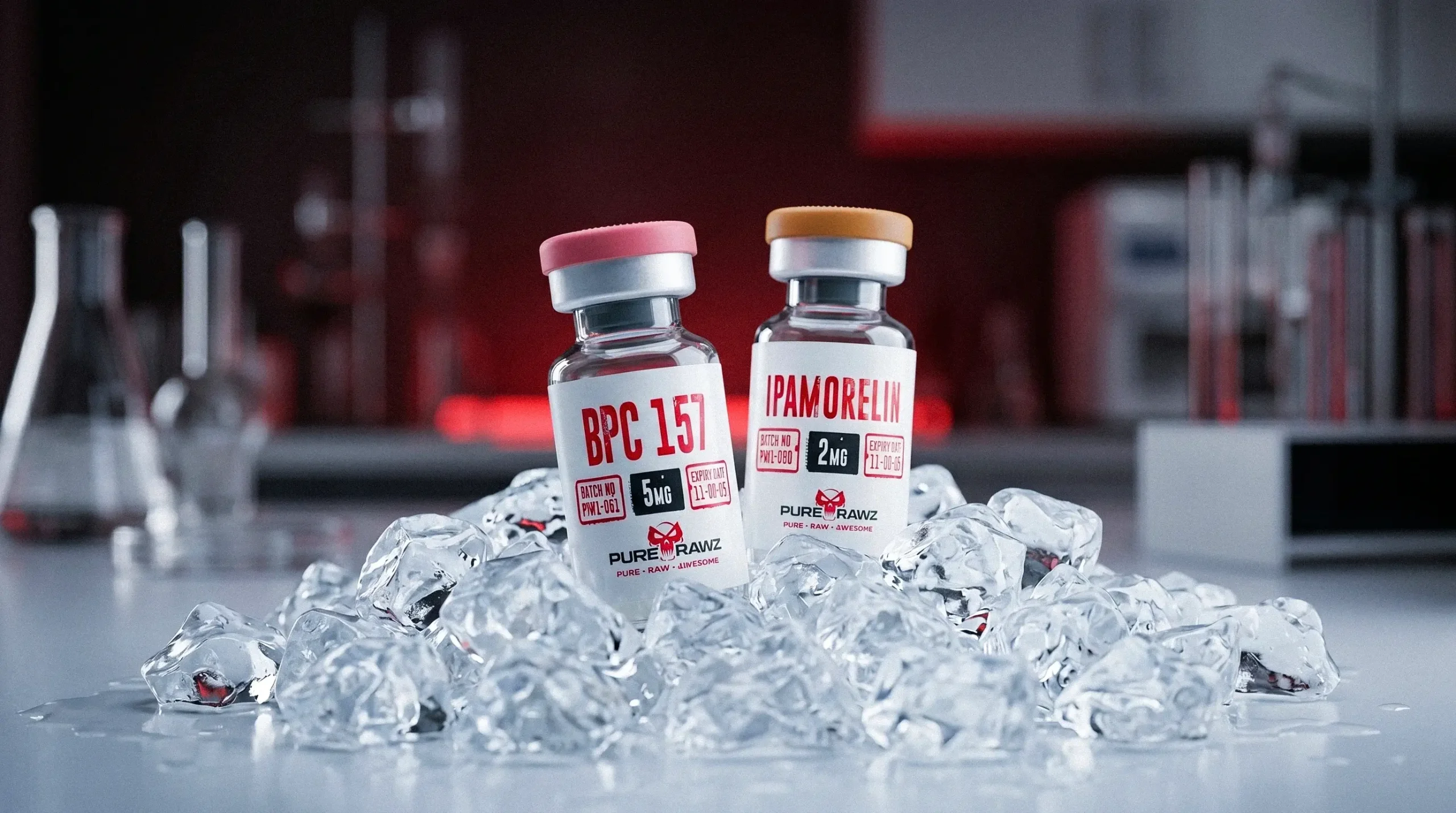
Several peptides have different lifespans according to their manufacturing. However, generally it is considered that peptides stability varies widely depending on sequence, formulation, and storage conditions. Let’s break it down and explore what really determines how long peptides stay effective.
Below is a table designed to give you a general idea of how long peptides can last. Remember, each peptide is manufactured differently, so the information provided is approximate and based on various available sources rather than exact measurements.
| Form | Storage Condition | Typical Stability Range |
| Lyophilized (dry powder) | -80°C (ultra-low freezer) | 5+ years (may potentially longer) |
| Lyophilized (dry powder) | -20°C (standard freezer) | ~1–5 years |
| Lyophilized (dry powder) | 2–8°C (refrigerator) | Months to ~1–2 years |
| Reconstituted (aqueous solution) | 2–8°C (refrigerated) | May last 3–14 days, typically; up to ~2–8 weeks in stable formulations |
| Reconstituted (aqueous solution) | Room temperature | May last for a few hours to 1–2 days |
| Reconstituted (frozen, -20°C or -80°C) | Frozen aliquots | May last weeks to months (sometimes longer) |
Shelf life matters because peptides are used in biochemical research, where precision is critical. Peptides are sensitive molecules, and their shelf life directly determines whether they chemically stable and reliable for research purposes.
Unlike many stable small-molecule compounds, peptides are made of short amino acid chains. They can easily break down through heat, moisture, light exposure, or microbial contamination.
This means peptides' effectiveness is not just about the “expiry date” printed on a label, it’s about how well they’ve been stored and handled over time.
A degraded peptide may not only lose effectiveness but can also produce inconsistent or misleading results in research settings.
Ultimately, peptide shelf life matters because it sits at the intersection of science and real-world application. It protects potency, ensures reliability, and preserves the integrity of results across research use.
A peptide’s stability also depends on its form in laboratory settings. Mainly, there are two form of peptides
Each form behaves very differently in terms of chemical stability. It directly affects how long the compound remains intact under controlled storage conditions.
Lyophilization is a preservation process in which water is removed from a peptide solution under low temperature and vacuum conditions. It leaves behind a dry, stable powder.
This process significantly improves long-term stability by minimizing the presence of water, which is one of the main drivers of peptide degradation.
In the absence of moisture, key degradation pathways such as hydrolysis are greatly slowed down. As a result, lyophilized peptides are generally far more stable and can maintain structural integrity for extended periods when stored properly.
Reconstitution refers to the process of adding a sterile solvent, commonly water or another buffered solution. It converts lyophilized peptides into a liquid form for experimental use in controlled laboratory environments.
Once peptides are in solution, their stability generally decreases after reconstitution. The presence of water enables chemical degradation pathways such as hydrolysis, oxidation, and deamidation, which gradually break down the peptide structure over time. Even under refrigeration, these processes continue at a slower rate.
While reconstitution is necessary for experimental application, it also marks the point at which peptide stability begins to decline more rapidly.
Here are a few signs that can help you determine whether peptides have degraded or are no longer suitable for research use:
To get the most out of your peptides, researchers suggested to:
Peptide longevity depends heavily on proper storage conditions, handling practices, and whether they are in lyophilized or reconstituted form. They can remain stable for extended periods when stored correctly. The small mistakes in temperature control or contamination can significantly reduce their effectiveness. Always follow recommended storage guidelines to ensure maximum potency and reliability.

Dr. Helma Wennemers is a globally recognized chemist shaping modern peptide science and molecular design through highly original research in applied biosciences.
Her work explores how precise molecular architecture can be engineered to create new functional systems in chemistry and life sciences.Her contributions continue to redefine contemporary chemical research through creativity, depth, and structural innovation.
We are offering the following products on sale. Hurry up before the sale ends!
As part of our exclusive upscale promotion, you can add some of our top research compounds to your order at a special discounted rate.