
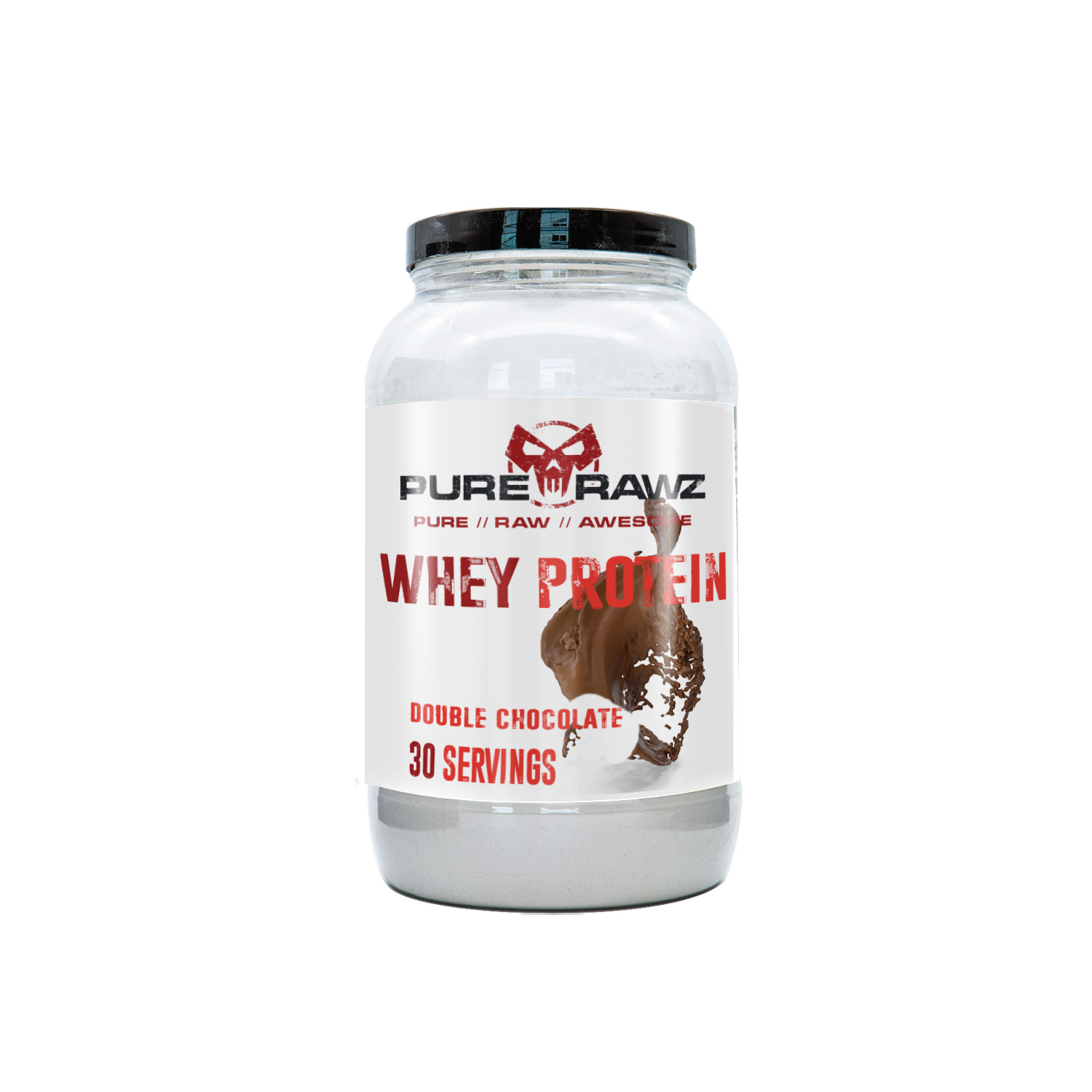
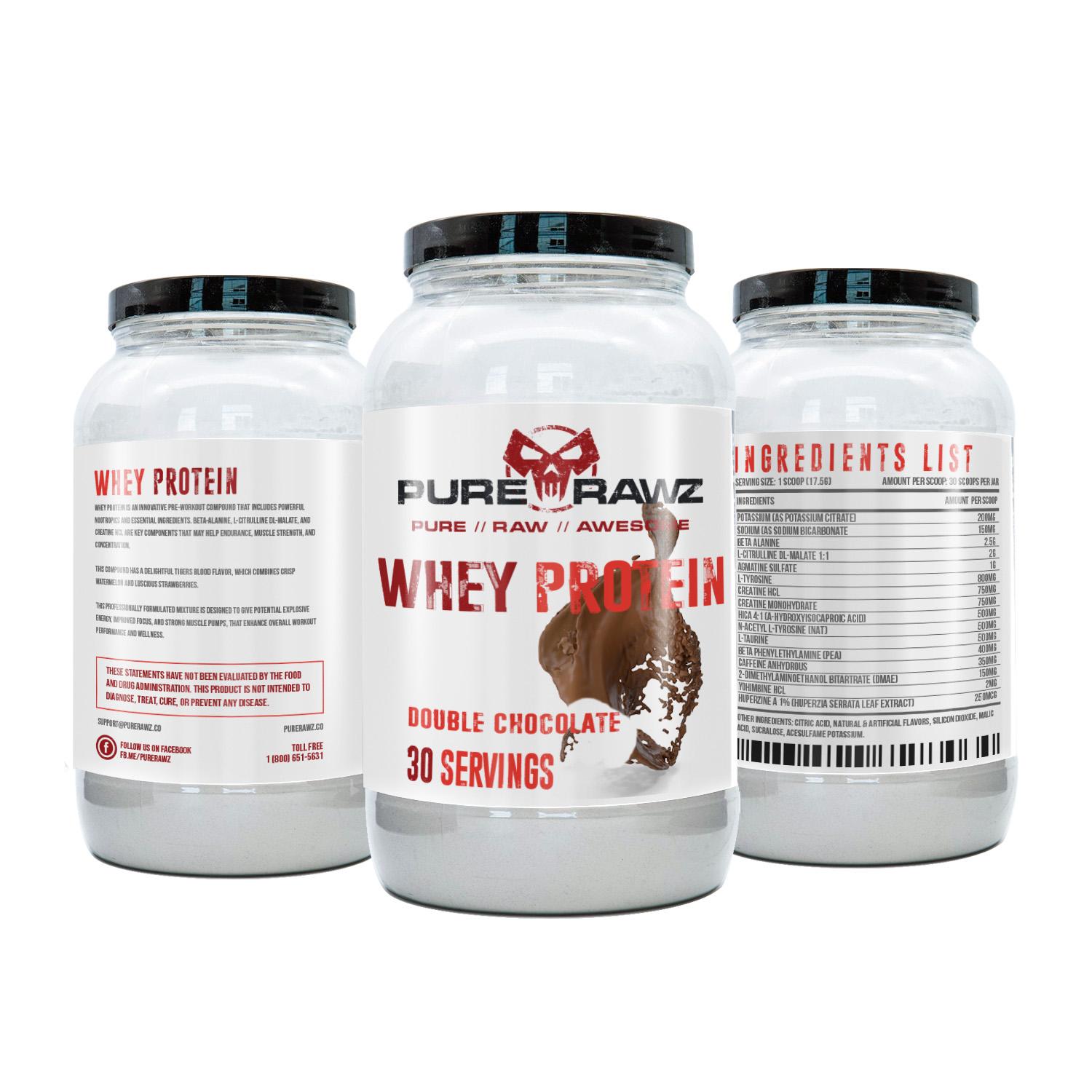
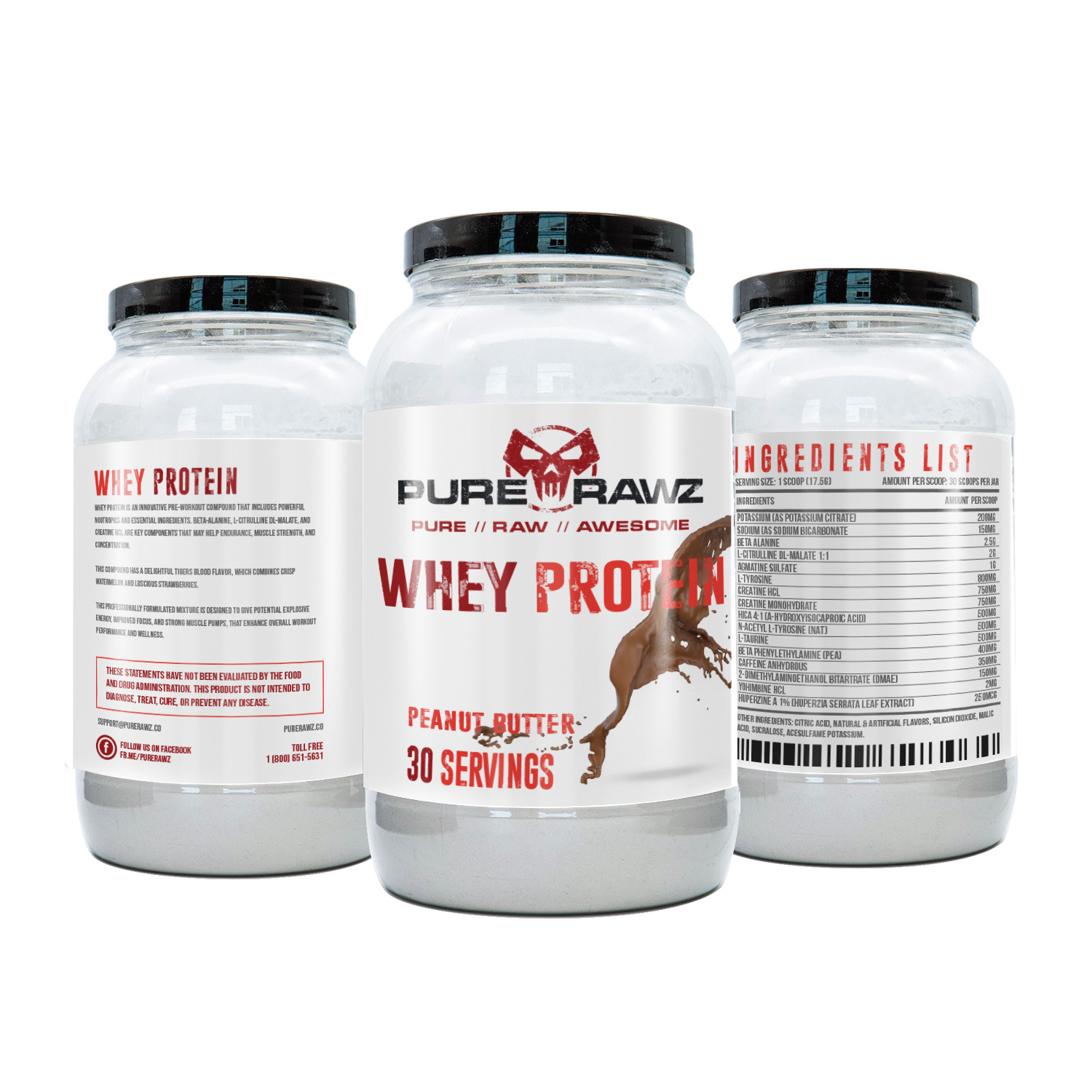
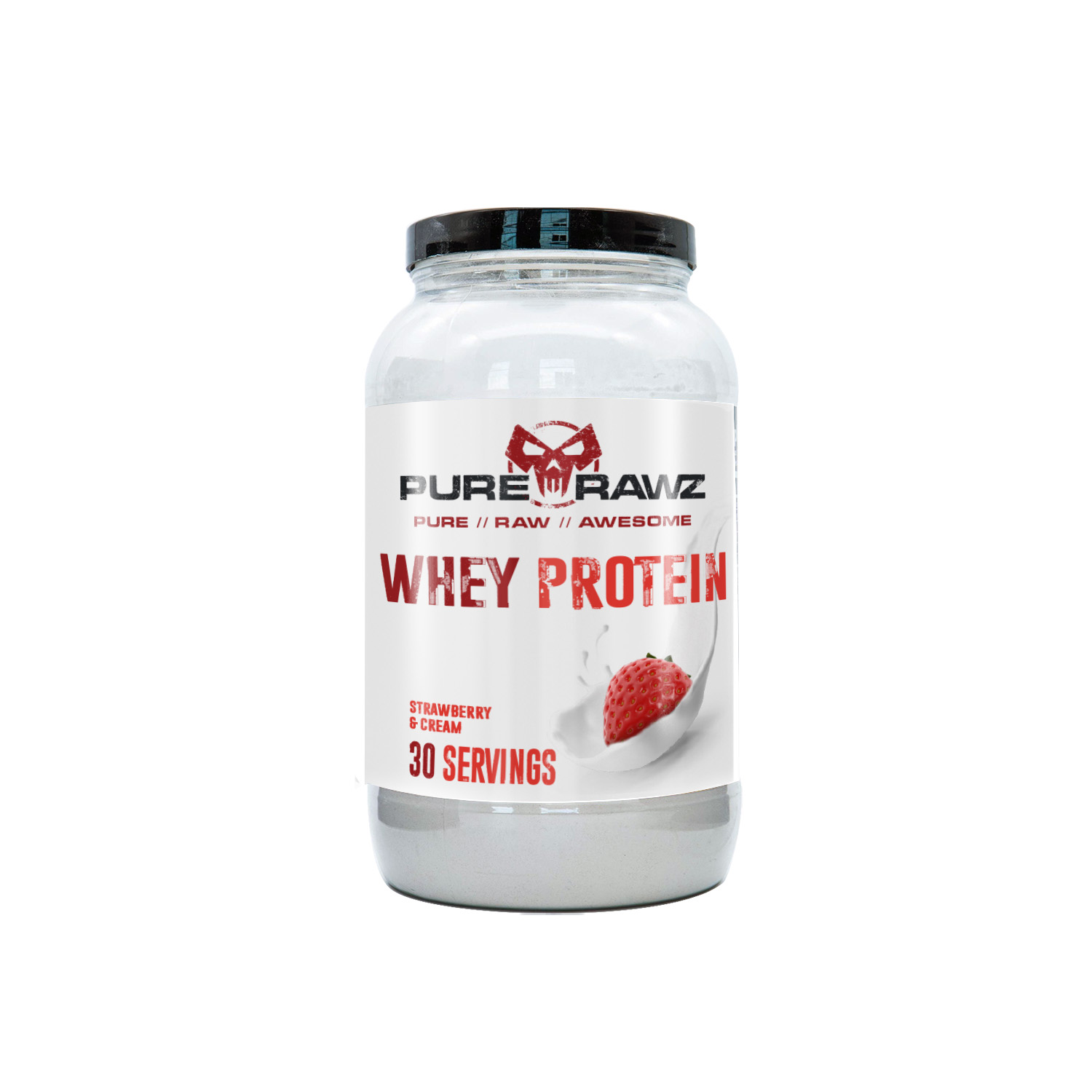
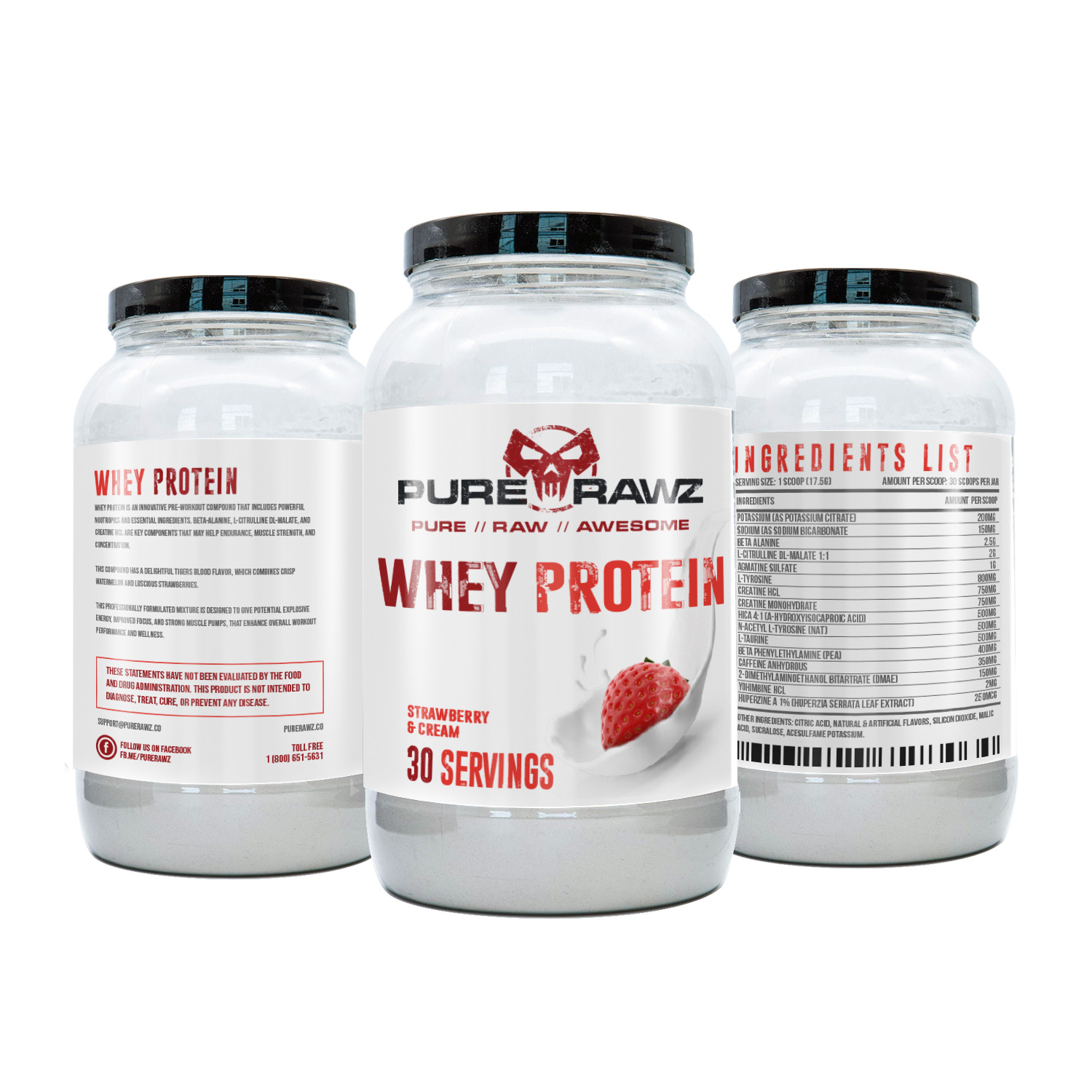
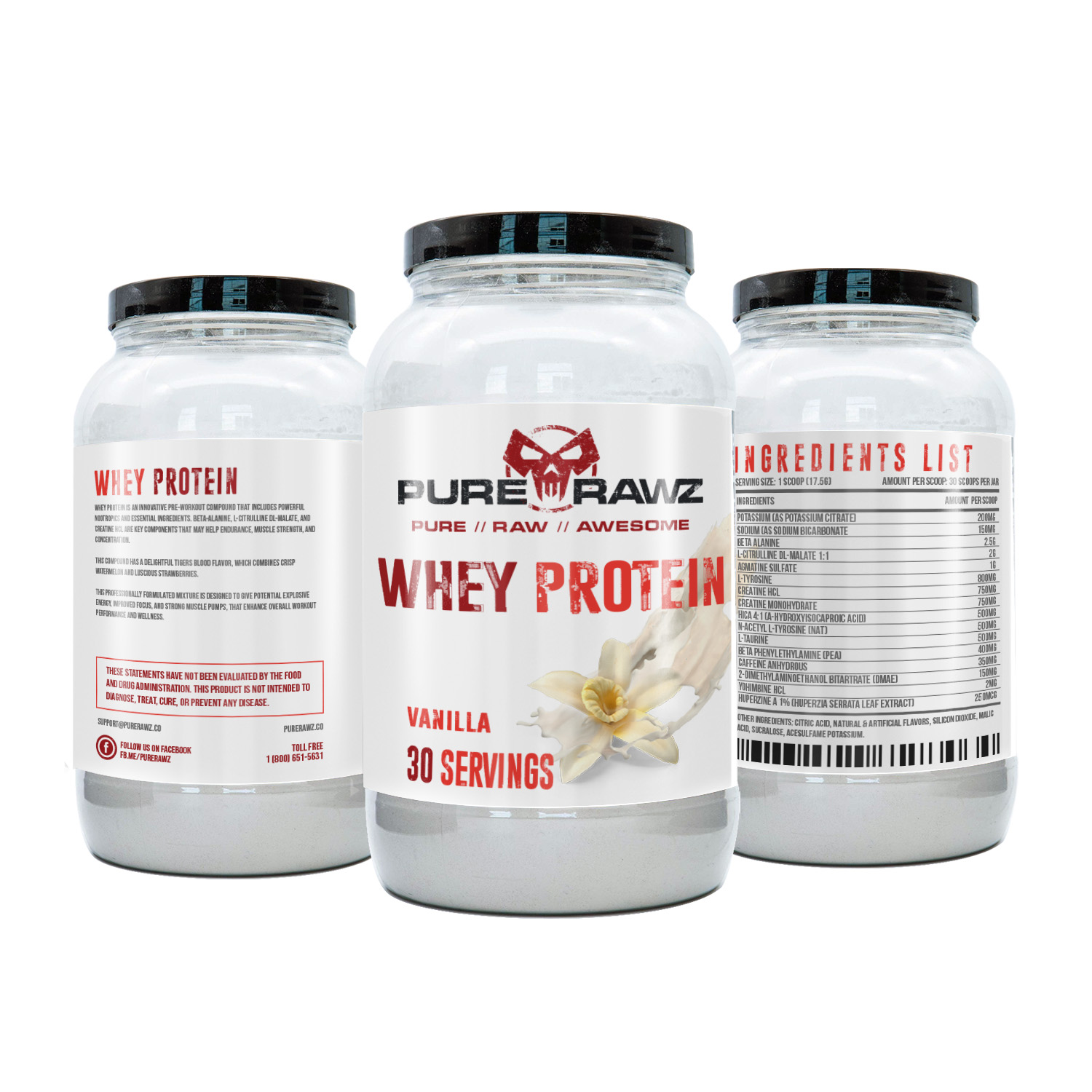
Whey Protein
$36.33
Earn 36 points upon purchasing this product.
✅ 99% Purity – Third-Party Tested
🚚 Free U.S. Shipping on Orders $100+
 Proudly Made in the USA
⚡ Fast & Reliable Shipping
🔒 Secure Checkout Guaranteed
Enjoy 24/7 customer support, 1st & 3rd party verified 99% purity, and free shipping on orders over $100!
Description
Whey-Derived Protein Research Compound
Product Information
The Whey-Derived Protein is a laboratory-grade protein formulation containing whey protein concentrate and whey protein isolate combined with oat-derived carbohydrates and medium-chain triglyceride (MCT) components. In biochemical research settings, this is examined for its amino acid composition and its role in cellular protein synthesis pathways.
Whey proteins contain a high concentration of essential amino acids, including branched-chain amino acids (BCAAs) such as leucine, isoleucine, and valine. These amino acids are widely studied in metabolic research models for their involvement in protein synthesis signaling pathways, cellular energy metabolism, and nitrogen balance mechanisms.
Protein substrates derived from whey are frequently investigated in experimental models analyzing muscle tissue metabolism, enzymatic protein turnover, and nutrient-related biochemical signaling pathways.
| Property | Description |
| Compound Name | Whey-Derived Protein Research Compound |
| Chemical Type | Protein substrate formulation |
| Major Components | Whey protein concentrate, whey protein isolate |
| Additional Components | Oat flour, medium-chain triglyceride creamer |
| Chemical Class | Protein substrates and amino acid complexes |
| Storage Conditions | Store in a cool, dry environment |
| Regulatory Status | Not FDA-approved |
| Laboratory Status | Research use only |
Working Mechanism
Protein-derived amino acids may be investigated in metabolic studies focusing on nitrogen balance regulation and amino acid transport mechanisms.
MCT molecules are commonly analyzed for their rapid oxidation properties and their influence on mitochondrial energy metabolism in laboratory models.
Researchers also sometimes analyze carbohydrate–protein substrate combinations to observe metabolic signaling responses in controlled experimental environments.
Research Applications
This formulation may be used in research investigations such as:
- Amino acid metabolism studies
- Protein synthesis signaling pathway research
- Nutrient metabolism and biochemical substrate experiments
- Cellular protein turnover analysis
- Metabolic regulation and nitrogen balance research
- Protein-carbohydrate interaction models
Why Buy from PureRawz?
PureRawz offers laboratories continuous product availability, secure packaging, and a certified source. Free delivery is available for orders above $100, making it possible for research organizations to effectively acquire research materials.
Research Disclaimer
This product is supplied strictly for laboratory and research purposes only.
It is not intended for human consumption, veterinary use, medical treatment, or diagnostic applications.
All research must be conducted under appropriate oversight from Institutional Review Boards (IRB) or Institutional Animal Care and Use Committees (IACUC) following relevant research regulations.
By placing an order, customers agree to the PureRawz Terms and Conditions. For assistance, contact support@staging.purerawz.co
References
Atherton, P. J., & Smith, K. (2012). Muscle protein synthesis in response to nutrition and exercise. The Journal of Physiology, 590(5), 1049 1057. https://doi.org/10.1113/jphysiol.2011.225003
Phillips, S. M. (2014). A brief review of critical processes in exercise-induced muscular hypertrophy. Sports Medicine, 44(S1), 71 77. https://doi.org/10.1007/s40279-014-0152-3
Pasiakos, S. M., McClung, H. L., & McClung, J. P. (2015). Protein supplementation and skeletal muscle adaptations. Nutrition & Metabolism, 12, 24. https://doi.org/10.1186/s12986-015-0023-8
St-Onge, M. P., & Jones, P. J. (2002). Physiological effects of medium-chain triglycerides. The Journal of Nutrition, 132(3), 329 332. https://doi.org/10.1093/jn/132.3.329

Dr. Helma Wennemers
Dr. Helma Wennemers is a globally recognized chemist shaping modern peptide science and molecular design through highly original research in applied biosciences.
Her work explores how precise molecular architecture can be engineered to create new functional systems in chemistry and life sciences. Her contributions continue to redefine contemporary chemical research through creativity, depth, and structural innovation.
Please click here to access instructions on how to make a payment.
How to PayRelated products
-

Meta Up
$17.20 Select options This product has multiple variants. The options may be chosen on the product page -
ZMA Pure
$26.76 Select options This product has multiple variants. The options may be chosen on the product page -
Collagen Complex
$18.35 Select options This product has multiple variants. The options may be chosen on the product page -
Any Cycle Capsules
$26.10 Select options This product has multiple variants. The options may be chosen on the product page


